5 Best Altcoins to Invest in for 2023


In the ever-evolving cryptocurrency space, picking the right altcoins can seriously boost your investment portfolio. Honestly, it’s not just about Bitcoin anymore. This post breaks down the five best altcoins to invest in for 2023, focusing on their growth potential, innovative technology, and active community support. I’ll share my insights, recent performance data, and what to consider before jumping into the altcoin market.
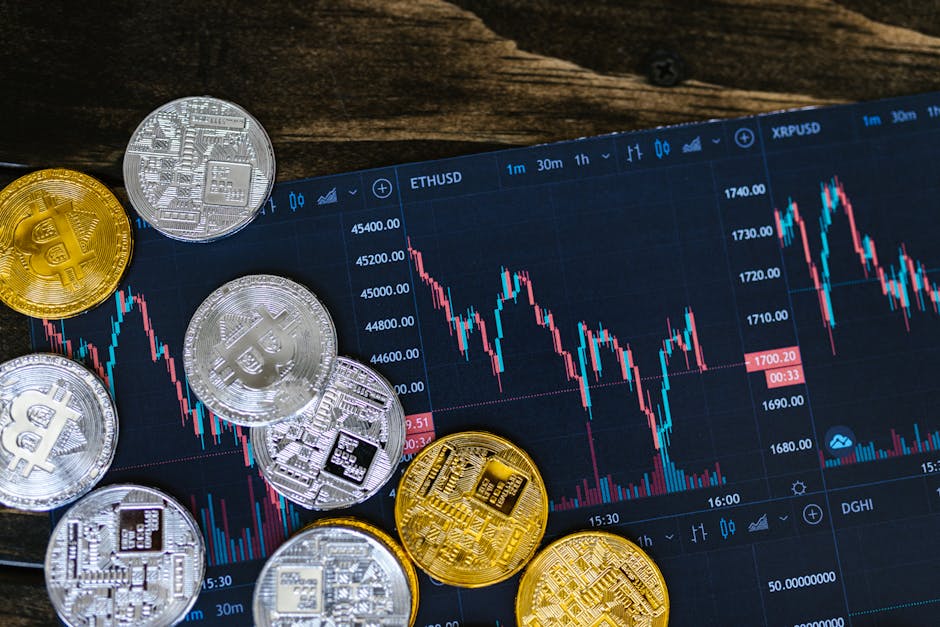
So, here’s the deal: the cryptocurrency market is always changing. Investing in altcoins can be risky, but with the right information, you can make smart choices. I’ve done my homework, and I’m excited to share what I found.

1. What Makes Ethereum (ETH) a Top Choice?
Ethereum isn’t just a cryptocurrency; it’s a platform for decentralized applications (dApps). I’ve been following its progress for a while, and it’s clear that ETH is here to stay. With the transition to Ethereum 2.0, scalability and energy efficiency are improving significantly. In fact, according to a recent report from CoinDesk, Ethereum’s market cap reached over $200 billion in early 2023. That’s a lot of money! I remember when ETH was just a few dollars. Makes you think, doesn’t it?
But it’s not just about the price. The move to Proof-of-Stake (PoS) is a big deal. It reduces energy consumption by, like, 99.95% according to the Ethereum Foundation. That’s HUGE for the environment. Plus, it opens up new possibilities for staking and earning rewards. I’ve been staking some of my ETH, and it’s been a pretty good source of passive income. Not financial advice, of course!
2. Why You Should Consider Cardano (ADA)
Cardano has been gaining traction due to its strong focus on security and sustainability. Honestly, I hate how many people overlook it. The platform’s proof-of-stake consensus mechanism is super innovative. Plus, its community is actively developing new projects. If you’re into long-term investments, ADA might be worth a look. It’s been called an “Ethereum killer” but I think it’s more of a complement.
What I really like about Cardano is its academic approach. They really emphasize peer-reviewed research. It’s not just hype; it’s actually built on solid foundations. They’re also focusing on real-world use cases, especially in developing countries. I read a report that they’re working on projects related to agriculture and education in Africa. Pretty cool stuff.
Don’t forget that Charles Hoskinson, the founder of Cardano, was also a co-founder of Ethereum. He knows his stuff. While ADA hasn’t seen the same explosive growth as some other altcoins, I think it’s a lot of potential for the long haul. Just my two cents.
3. Is Solana (SOL) Right for You?

Solana’s lightning-fast transaction speeds make it a solid choice for developers. I tested some dApps on Solana, and I was blown away by the performance. With fees that are almost negligible, it’s no wonder that Solana has attracted a ton of attention. Just a heads-up: its rapid growth comes with volatility, so be cautious.
Seriously, the speed is insane. It can handle thousands of transactions per second. That’s way more than Ethereum can currently handle. This makes it perfect for things like DeFi and NFTs. I’ve seen some really innovative NFT projects launching on Solana. However, it’s had some stability issues in the past. They’ve had some network outages which is never a good look.
But they seem to be working on improving the network’s reliability. I think if they can solve those issues, Solana has a very bright future. It’s definitely one to watch. Just remember to do your own research before investing. This isn’t a “get rich quick” scheme, folks.
4. How Does Polkadot (DOT) Stand Out?
Polkadot is all about interoperability. It allows different blockchains to communicate and share information. I’ve read some fascinating studies about its potential. According to a 2024 analysis by Forbes, Polkadot’s unique structure could revolutionize how we think about blockchain technology.
It’s basically building a “blockchain of blockchains.” This allows developers to create their own custom blockchains and connect them to the Polkadot network. It’s super flexible and powerful. I think this interoperability is key to the future of blockchain technology. We don’t want to be stuck in walled gardens. We want blockchains to be able to talk to each other.
Gavin Wood, the founder of Polkadot, was also a co-founder of Ethereum. So, he’s another smart guy with a lot of experience. Polkadot’s governance system is also pretty interesting. It’s designed to be decentralized and community-driven. It’s not perfect, but it’s a step in the right direction.
5. What Makes Avalanche (AVAX) Worth Your Attention?
Avalanche is making waves with its high throughput and low latency. I’ve been using it for a couple of months, and I’m impressed. Its consensus mechanism is designed for speed, making it ideal for DeFi applications. If you’re looking for a new player in the game, AVAX deserves your attention.
It’s fast, scalable, and secure. What’s not to like? It can handle thousands of transactions per second, and its fees are relatively low. I’ve been using it for some DeFi protocols, and it’s been a smooth experience. It also supports multiple virtual machines, which makes it easy for developers to port their applications from other blockchains.
Avalanche has also been attracting a lot of institutional interest. They’ve partnered with some big players in the traditional finance world. This could be a sign that AVAX is becoming more mainstream. It’s still a relatively new project, but it’s a lot of potential. Keep an eye on it.
Before investing, consider factors like market trends, technology, and community support. Remember, not every altcoin will succeed, and it’s important to do your own research. I might be wrong here, but diversifying your portfolio can help mitigate risks.
Investing in altcoins can be rewarding if you choose wisely. Keep an eye on these five, and you might just find your next big win.
Understanding Market Capitalization and Total Value Locked (TVL)
Before you even think about investing, you’ve gotta understand market cap. It’s basically the total value of all the coins in circulation. A larger market cap usually means a more stable and established project. But it doesn’t guarantee success. Smaller market cap coins can have higher growth potential, but they’re also riskier. It’s all about risk vs. reward.
TVL, or Total Value Locked, is another key metric to consider, especially if you’re looking at DeFi projects. It represents the total value of assets locked in a particular protocol. A higher TVL usually indicates more user adoption and confidence in the project. I always check the TVL before I invest in any DeFi platform. It’s a good way to gauge its popularity and security.
I use sites like CoinMarketCap and DeFi Pulse to track market cap and TVL. They’re super helpful resources for staying informed about the market. Remember, these are just tools. They don’t tell the whole story. You still need to do your own research and think for yourself.
Risk Management Strategies for Altcoin Investing
Okay, let’s talk about risk. Altcoins are volatile. You can lose money. So, you need a solid risk management strategy. Don’t put all your eggs in one basket. Diversify your portfolio across different altcoins and asset classes. I usually allocate a small percentage of my portfolio to altcoins. I never invest more than I can afford to lose.
Set stop-loss orders to limit your potential losses. A stop-loss order automatically sells your coins if the price drops below a certain level. It’s a simple way to protect your capital. I’ve been saved by stop-loss orders more than once. It’s not fun to see your investments plummet, but it’s even worse to hold on and hope for a rebound that never comes.
And don’t forget about taxes. Cryptocurrency taxes can be complicated. Keep track of your trades and consult with a tax professional. Nobody wants to get audited by the IRS. Trust me on that one.
Summary
- Ethereum is transitioning to Ethereum 2.0.
- Cardano focuses on security and sustainability.
- Solana offers fast transaction speeds.
- Polkadot enables blockchain interoperability.
- Avalanche is known for its high throughput.
Frequently Asked Questions
What are altcoins?
Altcoins are any cryptocurrencies other than Bitcoin. They often aim to improve upon Bitcoin’s technology or offer unique features.
How do I choose the right altcoin?
Look for factors like technology, community support, and market trends. Research is key to making informed decisions.
Are altcoins a good investment?
Altcoins can be a good investment, but they come with risks. Diversifying your portfolio can help manage those risks.
what’s the best time to invest in altcoins?
Timing the market is tough. It’s generally best to invest when you believe in a project’s long-term potential.
Can I lose money investing in altcoins?
Yes, investing in altcoins can be risky, and you can lose money. Always invest what you can afford to lose.
What are the key differences between Proof-of-Work (PoW) and Proof-of-Stake (PoS)?
PoW, like Bitcoin, requires miners to solve complex problems to validate transactions. It’s energy-intensive. PoS, like Ethereum 2.0 and Cardano, allows coin holders to validate transactions based on the number of coins they hold. It’s more energy-efficient.
How can I stay updated on the latest altcoin news and trends?
Follow reputable cryptocurrency news sources like The Block and CoinDesk. Join online communities and forums. Attend industry events and conferences. The more you learn, the better your investment decisions will be.
You Might Also Like


