
Bitcoin Stabilizes as ETF Demand Shifts and Altcoins Adjust

Bitcoin’s Recent Trends in the Market
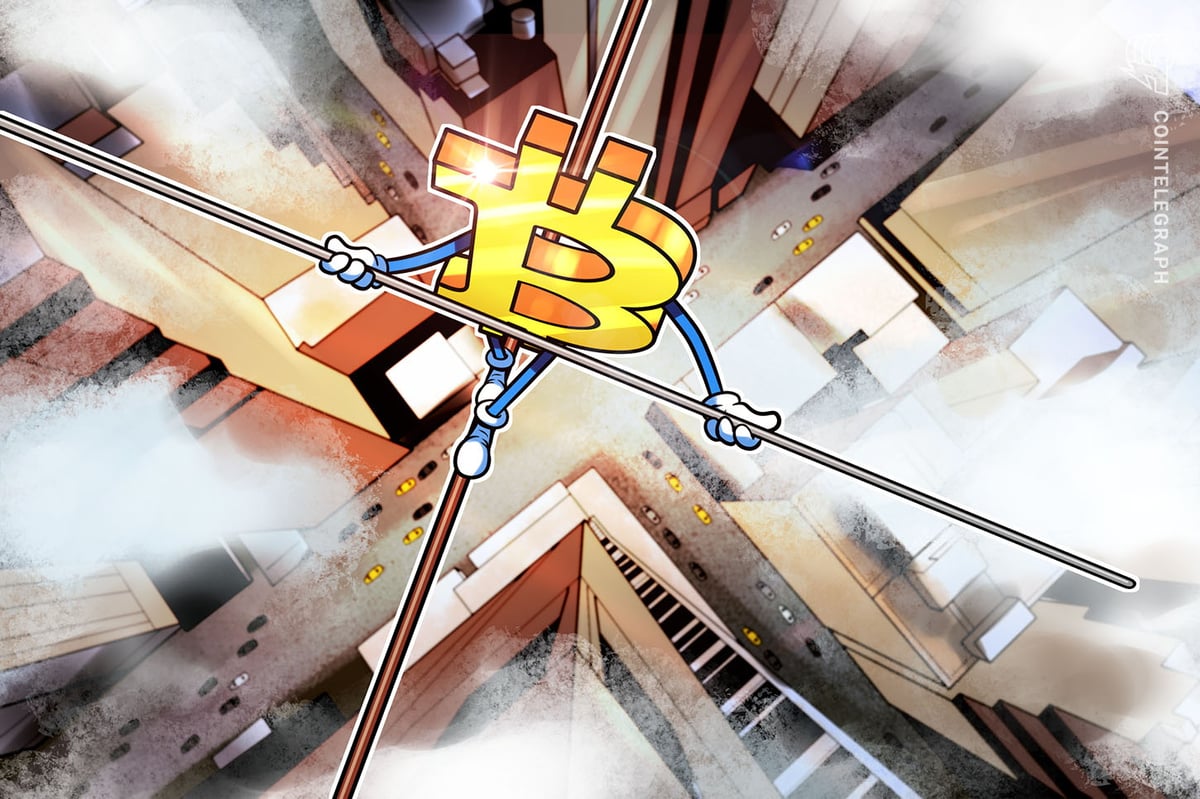
This week, the cryptocurrency market saw Bitcoin (BTC) hold steady as investor activity picked up gradually post-holidays. Bitcoin reached a weekly peak of $94,458 on Monday but then retreated to around $90,937 by Friday. This fluctuation underscores the volatility that continues to characterize Bitcoin’s price movements, as traders respond to both macroeconomic indicators and ongoing developments within the cryptocurrency sector.
ETF Demand Fluctuations

Demand for Bitcoin exchange-traded funds (ETFs) in the U.S. experienced a significant downturn after an impressive start to the year, which saw $1.1 billion in inflows during the first two trading days. However, following that surge, the ETFs recorded three successive days of outflows, culminating in $398 million being sold on Thursday, based on data from Farside Investors. This shift highlights the cautious sentiment among investors as they navigate market uncertainties, particularly concerning regulatory changes and macroeconomic pressures.
The Broader Cryptocurrency Scene
In the wider cryptocurrency market, concerns have emerged regarding privacy-focused token Zcash (ZEC). The Electric Coin Company, which is the main developer of Zcash, announced it would be parting ways with Bootstrap, the nonprofit organization supporting its development. This decision has left many wondering about the future of Zcash. The implications of this split could significantly influence Zcash’s value and its community’s perception, as the nonprofit played a critical role in maintaining governance and development support.
Institutional Investors and Market Reassessment
Analysts suggest that the drastic drop in altcoin values over the past year signifies a broader reevaluation of which blockchain networks are likely to secure lasting investments. As institutional players slowly enter the market, they’re presumably prioritizing a few key projects. Excluding Bitcoin, 2025 appears to be a difficult year for the broader cryptocurrency market, with decentralized finance (DeFi) tokens plummeting by 67% and smart contract-associated cryptocurrencies averaging a 66% decline, as highlighted by Jamie Coutts, chief crypto analyst at Real Vision. This trend indicates a shift in investment strategies, with a focus on projects that demonstrate reliable fundamentals and long-term viability.
The growing interest from institutional investors is reshaping the scene, pushing for a more mature market structure that could lead to increased stability in prices. As these investors bring larger capital inflows, the need for transparency and regulatory compliance becomes more critical, potentially influencing the development of new frameworks that govern digital assets.
Reevaluation of Crypto Projects
Coutts notes that the previous year’s underperformance served as a “repricing” of leading cryptocurrency projects, coinciding with a gradual influx of institutional capital. He stated, “It’s all about repricing the most promising protocols, especially those with strong network adoption and solid fundamentals, as institutional investments ramp up.” This repricing reflects a necessary adjustment in the market, where investors are becoming more discerning, seeking out projects that can withstand economic fluctuations and regulatory scrutiny.
Leading Blockchain Performers
According to data from Nansen, Solana emerged as the top blockchain by fees generated, raking in $585 million, followed closely by Tron at $576 million. This trend illustrates the growing preference of institutional and large-scale investors towards leading cryptocurrencies. The success of these platforms can be attributed to their ability to offer unique features and scalability, which appeals to a broader user base, further solidifying their positions in the market.
Analysis of Zcash’s Governance Divide
Bootstrap, the nonprofit supporting Zcash, recently cited a governance conflict as the reason for losing key members of its board. This conflict arose due to legal restrictions that nonprofits face concerning external investments. Following the Electric Coin Company’s announcement of its split from Bootstrap to form a new entity, concerns were raised about “malicious governance actions,” as reported by Cointelegraph. The implications of this governance divide could lead to a fragmentation of the community, affecting Zcash’s overall development and adoption.
Key Issues with Zcash’s Future
Bootstrap responded to the situation, stating that discussions about potential external investments and alternative structures for the Zashi wallet (designed for private Zcash transactions) were hindered by the organization’s legal obligations. The board members expressed worries that such a deal could expose Zcash to vulnerabilities, including potential lawsuits from donors, which could harm the entire Zcash ecosystem. As the community grapples with these governance issues, the need for a coherent strategy to address both internal and external challenges is more pressing than ever.
Phishing Scams Targeting Crypto Investors
In another development, a new phishing campaign aimed at crypto investors has surfaced, where attackers impersonate MetaMask to steal recovery phrases. The blockchain security firm SlowMist warned that these scams are designed to deceive users into sharing their recovery phrases under the guise of two-factor authentication (2FA) verification. The rise of such scams emphasizes the vulnerabilities within the crypto space, where user education and awareness are must-have in combating these threats.
The Mechanics of the Scam
Victims receive phishing emails directing them to fake MetaMask domains. The fraudsters create a sense of urgency, claiming users need to enable 2FA immediately to retain access to their wallets. Ultimately, the scam culminates in users providing their 12-word recovery phrases, leading to the loss of funds. As these phishing tactics become more sophisticated, it’s important for users to remain vigilant and to verify the authenticity of communications before taking any action concerning their digital assets.
Aave’s Vision for the Future
Aave’s founder, Stani Kulechov, has laid out an ambitious vision for the platform after a controversial governance vote. The proposal to transfer control of Aave’s brand assets was rejected, sparking a renewed debate among the Aave community about its strategic direction. Kulechov emphasized the need for Aave to diversify its offerings beyond its core DeFi lending services into real-world assets and institutional lending. This pivot could open new revenue streams and enhance Aave’s competitive edge in the evolving DeFi scene.
The Path Ahead for Aave
He acknowledged that the community stands at a turning point, with DeFi’s growth potential reliant on market expansion. Notably, Aave Labs plans to share non-protocol revenues with AAVE token holders, which could offer a new avenue for capturing value. Kulechov also mentioned plans for a new governance proposal addressing intellectual property and brand rights to align with the community’s vision. By fostering a collaborative approach within the community, Aave aims to strengthen its position as a leader in decentralized finance.
Conclusion
The cryptocurrency market continues to evolve, with Bitcoin showing signs of stability as ETF flows fluctuate and altcoins readjust. As institutional investors reassess their strategies, the focus on quality projects becomes ever more critical. Whether it’s navigating governance disputes in privacy-focused projects like Zcash or combating phishing scams, the world is filled with both challenges and opportunities. As the market matures, the interplay of innovation, regulation, and investor sentiment will shape the future trajectory of cryptocurrencies and blockchain technology.
Similar Articles
You Might Also Like


