
Bitcoin Hashrate Drops Due to Winter Storm Impact on US Miners

Bitcoin Miners Affected by Severe Weather
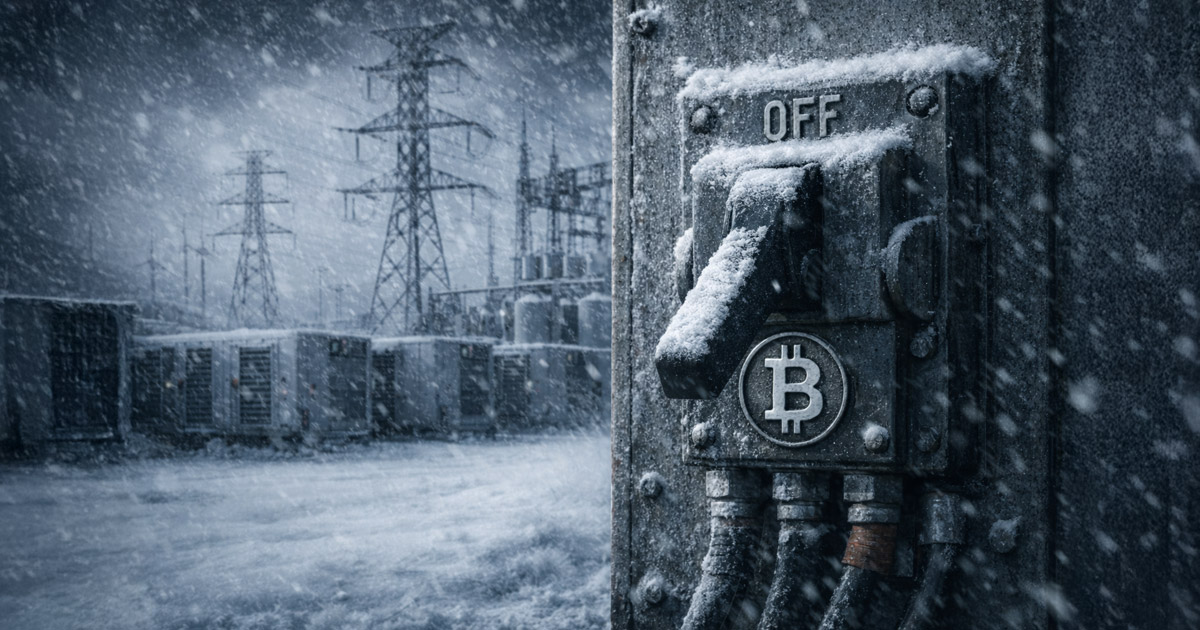
This week, Bitcoin miners faced a significant challenge due to a harsh winter storm sweeping across the United States. This led to a notable decrease in the Bitcoin hashrate, as many miners opted to cut back their operations. In just a couple of days, from January 23 to January 25, the hashrate fell by 40%, taking approximately 455 EH/s offline. This caused block production times to rise to around 12 minutes during the affected period.
Understanding the Impact of Foundry USA

The most significant dip in hashrate came from Foundry USA, the dominant mining pool in the country. This shift highlights how curtailments are directly tied to external factors like extreme weather conditions. As we analyze the situation, it’s important to understand why miners have the flexibility to shut down operations and what this means for Bitcoin’s ecosystem.
Why Miners Choose to Curtail Operations
Miners reducing their power consumption, known as curtailment, can stem from several factors. Let’s break these down into three main categories:
Economic Factors
Many miners monitor the balance between their revenue and the cost of electricity. When real-time energy prices soar, it can be more financially advantageous to pause operations rather than continue mining at a loss. This isn’t some altruistic gesture—it’s simply good business sense in response to market conditions.
Contractual Agreements
Some miners have entered into demand-response agreements, where they can earn credits by reducing their energy use during peak demand times. In Texas, for instance, these agreements have become a lucrative business model. Miners can profit by selling their excess contracted energy back to the grid when it’s most needed. Companies like Riot Blockchain have reported significant income from such arrangements, showcasing the financial incentives for participating in demand-response programs. (CoinDesk)
Regulatory and Emergency Protocols
Texas has recently mandated that new large-scale energy users, including crypto miners, be prepared to curtail their power usage during grid emergencies. This requirement has transformed curtailment from an optional practice into a critical element of operational strategy, ensuring that miners remain compliant while also safeguarding the grid. You might also enjoy our guide on Understanding Bitcoin Miners’ Challenges in a Down Market.

Lessons Learned from Recent Weather Events
The severe winter storm brought about a perfect storm of conditions for miners to reconsider their operations. Fluctuating heating demands during extreme cold can lead to increased energy prices and operational stress on the grid. Miners holding flexible load agreements often find that curtailing their power usage is a sensible response to these spikes in demand.
The Ripple Effect on the Hashrate
When major US mining operations curtail, the effects are quickly reflected in the overall Bitcoin network hashrate. The recent downturn highlighted how interconnected the mining pool dynamics are. Despite being a global network, fluctuations in hashrate can be felt regionally when significant capacities are concentrated in a few mining pools.
Bitcoin’s Difficulty Adjustment Mechanism
One major concern during hashrate drops is the perceived threat to Bitcoin’s security. A reduced hashrate can make the network more susceptible to attacks, as fewer hashes per second lower the cost of launching an assault on the blockchain. However, Bitcoin has a built-in recalibration process that adjusts mining difficulty every 2,016 blocks, ensuring that the network can adapt to changing conditions.
Understanding the Temporary Nature of Slow Blocks
When miners shut down en masse, block production can slow, creating a “storm tax” effect. While this may raise concerns, it’s important to remember that Bitcoin’s difficulty adjustment isn’t instantaneous. Instead, it takes time for the network to recalibrate. During periods of slow block production, users may experience longer confirmation times, but it doesn’t mean the network is broken.
Future Considerations for Bitcoin Mining
As the market of Bitcoin mining continues to evolve, miners must remain vigilant and adaptable. The recent storm serves as a reminder of how external factors can dramatically influence operations. Understanding this environment is vital for navigating the complexities of mining in a fluctuating energy market. For more tips, check out Deterministic CPUs: A New Era in Predictable AI Performance.
Conclusion
Bottom line, while the recent winter storm negatively impacted Bitcoin’s hashrate, it also illuminated the flexibility and resilience of miners. Their ability to curtail operations in response to energy market demands not only reflects a pragmatic approach but also highlights the involved relationship between energy consumption and cryptocurrency mining. As we move forward, staying informed about these dynamics will be important for anyone involved in or interested in the crypto space. (Bitcoin.org)
You Might Also Like


