
Comparing the YOLO Trade: Bitcoin vs. Traditional Stocks in 2026
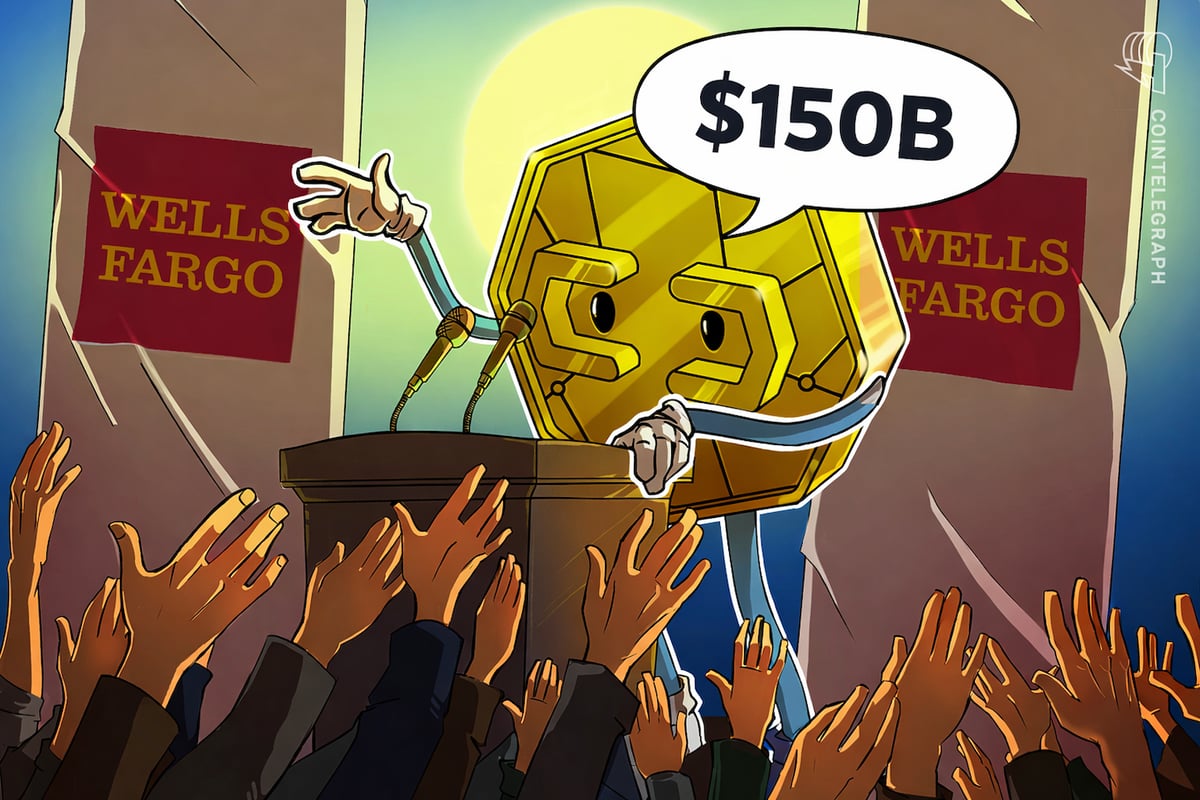

In 2026, there’s a ton of buzz around the potential for a “YOLO” trade, and that’s spurred by larger tax refunds. Wells Fargo’s analyst, Ohsung Kwon, estimates that up to $150 billion could flow into risk assets like Bitcoin and popular stocks. But honestly, is this even a good idea? Let’s break down the pros and cons of investing in Bitcoin versus traditional stocks in this context. According to a recent survey by Finder.com, a whopping 55% of Americans own some form of cryptocurrency, indicating a growing interest in digital assets.Finder.com. This figure is significantly higher than just a few years prior, showcasing the rapid adoption of cryptocurrencies. Back in 2020, estimates placed cryptocurrency ownership closer to 15-20%, highlighting the exponential growth in the digital asset space.
Understanding the YOLO Trade
Basically, the term “YOLO” (You Only Live Once) refers to a super speculative trading strategy where investors throw caution to the wind, often driven by emotional impulses rather than fundamentals. Kwon believes that the upcoming tax refunds could reignite this trend, especially among high-income earners. I mean, why wouldn’t it? More cash means more willingness to take risks. But is this really a sound strategy? I don’t think it is. Think of it like this: imagine walking into a casino and putting all your money on a single spin of the roulette wheel. The potential payout is huge, but the odds are heavily stacked against you. That’s the essence of a YOLO trade – a high-risk, high-reward gamble with a significant chance of losing everything. It’s the antithesis of prudent, long-term investing.

Pros of Investing in Bitcoin
- High Potential Returns: Bitcoin has a history of explosive growth. If you’re willing to ride the volatility, the upside can be super substantial. We’ve seen Bitcoin surge from a few dollars to tens of thousands of dollars in relatively short periods. For example, during the 2017 bull run, Bitcoin’s price increased by over 1,300% in a single year. While past performance is not indicative of future results, this illustrates the potential for significant gains. However, it’s key to remember that these gains are often followed by equally dramatic corrections.
- Decentralization: Unlike traditional stocks, Bitcoin isn’t controlled by any central authority, which can be appealing in times of economic uncertainty. This decentralization means that no single entity can manipulate the supply or value of Bitcoin. In a world where governments and central banks can print money at will, Bitcoin offers a degree of independence and control that is attractive to many investors. This is particularly appealing in countries with unstable political or economic systems.
- Inflation Hedge: With rising inflation, some see Bitcoin as a digital gold, a store of value that could protect against currency devaluation. The argument is that Bitcoin’s limited supply (21 million coins) makes it a scarce asset, similar to gold. As the value of fiat currencies declines due to inflation, the price of Bitcoin could potentially increase. However, this is a debated topic, as Bitcoin’s price has often been correlated with other risk assets like tech stocks. Whether it truly acts as a reliable inflation hedge remains to be seen.
Cons of Investing in Bitcoin
- Extreme Volatility: The price swings can be gut-wrenching. One day you could see a 20% gain, and the next, a 30% loss. This volatility makes Bitcoin a very risky investment, especially for those with a low-risk tolerance. Imagine checking your portfolio every day and seeing your investment fluctuate wildly. This can be incredibly stressful and lead to poor decision-making. It’s important to be prepared for these fluctuations and have a long-term investment horizon.
- Lack of Regulation: The crypto market is still relatively unregulated, which can lead to scams and market manipulation. This lack of regulation makes it difficult to protect yourself from fraudulent activities. There have been numerous cases of scams, Ponzi schemes, and market manipulation in the crypto space. It’s key to do your research and only invest in reputable projects. Be wary of anything that sounds too good to be true.
- Sentiment-Driven: As Nicolai Sondergaard points out, Bitcoin’s demand heavily relies on market sentiment. If the mood shifts, so can your investment. This means that Bitcoin’s price is often driven by hype and speculation rather than fundamental factors. A single tweet from a prominent figure can send the price soaring or crashing. This makes it difficult to predict Bitcoin’s price movements and adds to the risk of investing.
Pros of Investing in Traditional Stocks
- Established Markets: Stocks have a long history of providing returns to investors, backed by company performance and economic fundamentals. The stock market has been around for centuries, and there’s a wealth of data and analysis available to help investors make informed decisions. Unlike Bitcoin, which is a relatively new asset class, stocks have a proven track record of generating long-term returns.
- Dividends: Many stocks pay dividends, providing a steady income stream, which Bitcoin doesn’t offer. Dividends can be a significant source of income, especially for retirees. They provide a regular cash flow that can help offset living expenses. While Bitcoin may appreciate in value, it doesn’t generate any income on its own.
- Regulatory Framework: The stock market is heavily regulated, providing a layer of protection for investors. Regulations like the Securities and Exchange Commission (SEC) help ensure fair and transparent trading practices. This provides a level of security and confidence that is lacking in the unregulated crypto market.
Cons of Investing in Traditional Stocks
- Slower Growth: While stocks can be a safer bet, they often don’t offer the same explosive growth potential as Bitcoin. The stock market typically grows at a more moderate pace compared to Bitcoin. While you’re less likely to experience massive losses, you’re also less likely to see your investment double or triple in a short period. This can be frustrating for investors seeking quick gains.
- Market Saturation: Many sectors are crowded, making it harder for new companies to break through and offer significant returns. The stock market is highly competitive, and it can be difficult for new companies to gain traction. This means that investors may need to be more selective and do more research to find promising investment opportunities.
- Economic Sensitivity: Stocks are often sensitive to economic downturns, which can lead to significant losses during recessions. During economic recessions, companies often experience lower profits, which can lead to a decline in stock prices. This can be a painful experience for investors, especially those who are close to retirement. It’s important to be aware of the economic climate and adjust your investment strategy accordingly.
Is a YOLO Trade Right for You?
Kwon says that the liquidity from tax refunds could flow into both Bitcoin and stocks. However, the real question is: will retail investors prefer the excitement of crypto or the stability of traditional assets? If sentiment shifts positively towards Bitcoin, we might see a significant influx into the crypto market. If investors feel uncertain, they might gravitate towards the more stable stock market. A recent report from JP Morgan indicates that institutional investment in crypto assets is steadily increasing, suggesting a growing acceptance of Bitcoin as a legitimate asset class. JP Morgan. This institutional interest is a significant development, as it suggests that Bitcoin is becoming more mainstream and less of a fringe investment. However, it’s important to remember that institutional investors have different goals and risk tolerances than retail investors.
So, Where Will the Money Go?
Look, it’s tough to say for sure. I think it really depends on individual risk tolerance. Will people chase quick gains, or play it safe? It’s anyone’s guess, really. What do you think? Consider this: younger investors, with more time to recover from potential losses, might be more inclined to take a gamble on Bitcoin. Older investors, closer to retirement, might prefer the relative safety of traditional stocks. Beyond that, the availability of information and educational resources plays a vital role. Investors who are well-informed about the risks and rewards of each asset class are more likely to make rational decisions.
Conclusion: Making the Choice
Ultimately, the decision between Bitcoin and traditional stocks boils down to your risk tolerance and investment strategy. If you’re looking for high potential returns and can handle the volatility, Bitcoin might be your play. But if you prefer stability and regular income, traditional stocks could be the way to go. Personally, I think a balanced approach—diversifying across both assets—could be the smartest move. So, what’s your strategy? What do you think is the best move? I’d love to hear your thoughts! Remember, diversification is key to mitigating risk. Spreading your investments across different asset classes can help protect your portfolio from significant losses. Consider allocating a portion of your portfolio to Bitcoin and a portion to traditional stocks, based on your individual risk tolerance and investment goals.
Worth it.
Big difference.


According to research from Fidelity, individuals under 30 are twice as likely to invest in cryptocurrency compared to those over 50. Fidelity. This generational divide highlights the different risk appetites and investment preferences of younger and older investors. Younger investors are often more comfortable with new technologies and are willing to take on more risk in pursuit of higher returns. Older investors, on the other hand, tend to be more conservative and prefer investments with a proven track record.
So, what factors should you consider before jumping into a “YOLO” trade involving Bitcoin or traditional stocks? One key aspect is your investment timeline. Are you looking for short-term gains or long-term growth? Honestly, this will heavily influence your decision. What’s your plan? If you’re looking for short-term gains, Bitcoin might be tempting due to its potential for rapid price appreciation. However, be prepared to stomach significant volatility and the possibility of losing a substantial portion of your investment. If you’re looking for long-term growth, traditional stocks might be a more suitable option, as they offer a more stable and predictable path to wealth accumulation.
Also, let’s not forget the impact of taxes. Capital gains taxes can significantly affect your returns, so it’s vital to understand the tax implications of each investment. Have you considered this? Bitcoin and other cryptocurrencies are typically taxed as property, meaning that any profits you make from selling them are subject to capital gains taxes. The tax rate will depend on how long you held the asset before selling it. Short-term capital gains (held for less than a year) are taxed at your ordinary income tax rate, while long-term capital gains (held for more than a year) are taxed at a lower rate. Traditional stocks are also subject to capital gains taxes, but they may also offer tax advantages such as qualified dividends, which are taxed at a lower rate than ordinary income.
According to a 2023 report by the Investment Company Institute (ICI), the average holding period for stocks is around 5.5 years, indicating a long-term investment approach for many. ICI. This long-term perspective is vital for building wealth in the stock market. It allows you to ride out market fluctuations and benefit from the power of compounding. Trying to time the market and make quick profits is often a losing game.
What’s more, it’s super important to diversify your investments. Don’t put all your eggs in one basket. Spreading your investments across different asset classes can help reduce risk and improve your overall portfolio performance. I think you should do it. Diversification can involve investing in different types of assets, such as stocks, bonds, real estate, and commodities. It can also involve investing in different sectors, industries, and geographic regions. The goal is to create a portfolio that is resilient to market shocks and can generate consistent returns over the long term.
I’ve found that setting clear investment goals can really help guide your decisions. Are you saving for retirement, a down payment on a house, or something else? Your goals will influence your investment choices. I know mine do! If you’re saving for retirement, you might want to consider investing in a diversified portfolio of stocks and bonds that can grow over time. If you’re saving for a down payment on a house, you might want to consider investing in more conservative assets, such as savings accounts or certificates of deposit, to protect your principal.
I’m telling you, understanding your risk tolerance is critical. Are you comfortable with the possibility of losing a significant portion of your investment, or do you prefer a more conservative approach? I think it’s a big question. Your risk tolerance will depend on factors such as your age, income, financial goals, and personality. If you’re young and have a long time horizon, you might be able to tolerate more risk. If you’re older and closer to retirement, you might prefer a more conservative approach. It’s important to be honest with yourself about your risk tolerance and choose investments that align with your comfort level.
It’s so important to stay informed about market trends and developments. Keep an eye on economic indicators, company news, and regulatory changes that could impact your investments. I try to do it every day. Staying informed can help you make better investment decisions and avoid costly mistakes. There are many resources available to help you stay informed, such as financial news websites, investment newsletters, and financial advisors.
What about seeking advice from a financial advisor? A professional can help you assess your financial situation, develop an investment strategy, and make informed decisions. I’d recommend it. A financial advisor can provide personalized guidance based on your individual circumstances and goals. They can also help you navigate the complexities of the financial markets and avoid common investment pitfalls. However, it’s important to choose a financial advisor who is qualified and trustworthy.
Ultimately, the best investment strategy is one that aligns with your individual circumstances, goals, and risk tolerance. Take the time to do your research, understand your options, and make informed decisions that are right for you. You’ve got this!
Not even close.
Remember, investing involves risk, and there’s no guarantee of returns. But with careful planning and a well-thought-out strategy, you can increase your chances of achieving your financial goals. So, are you ready to take the leap? I hope so!
I’m honestly curious, what are your thoughts on the potential impact of social media on investment decisions? Do you think social media hype can drive irrational investment behavior? Social media platforms have become increasingly influential in shaping investment decisions. The spread of misinformation and hype can lead to irrational exuberance and market bubbles. It’s important to be critical of the information you see on social media and do your own research before making any investment decisions.
Hey, have you considered the role of environmental, social, and governance (ESG) factors in your investment decisions? Are you more likely to invest in companies that prioritize sustainability and social responsibility? ESG investing is becoming increasingly popular as investors seek to align their investments with their values. Companies that prioritize ESG factors may be more sustainable and resilient in the long run. However, it’s important to do your research and ensure that the ESG claims of companies are credible.
I’m wondering, what’s your opinion on the use of robo-advisors for investment management? Do you think robo-advisors can provide a cost-effective and efficient way to manage your investments? Robo-advisors are automated investment platforms that use algorithms to manage your portfolio. They can be a cost-effective and efficient way to manage your investments, especially for those who are new to investing. However, it’s important to understand the limitations of robo-advisors and ensure that they are aligned with your investment goals.
I’ve noticed that the rise of fractional investing has made it easier for individuals to invest in high-priced stocks. Do you think fractional investing is a breakthrough for retail investors? Fractional investing allows you to buy a fraction of a share of stock, making it easier to invest in high-priced stocks like Amazon or Google. This can be a breakthrough for retail investors who may not have enough capital to buy a full share. However, it’s important to be aware of the fees associated with fractional investing and ensure that they are reasonable.
I’m telling you, the key is to stay informed, stay diversified, and stay disciplined. Investing is a marathon, not a sprint. Keep your eyes on the prize, and don’t let short-term market fluctuations derail your long-term goals. You can do it!
You Might Also Like



