
Bitcoin Mining: Navigating Challenges Amidst Difficulty Adjustments

Understanding Bitcoin’s Difficulty Adjustment
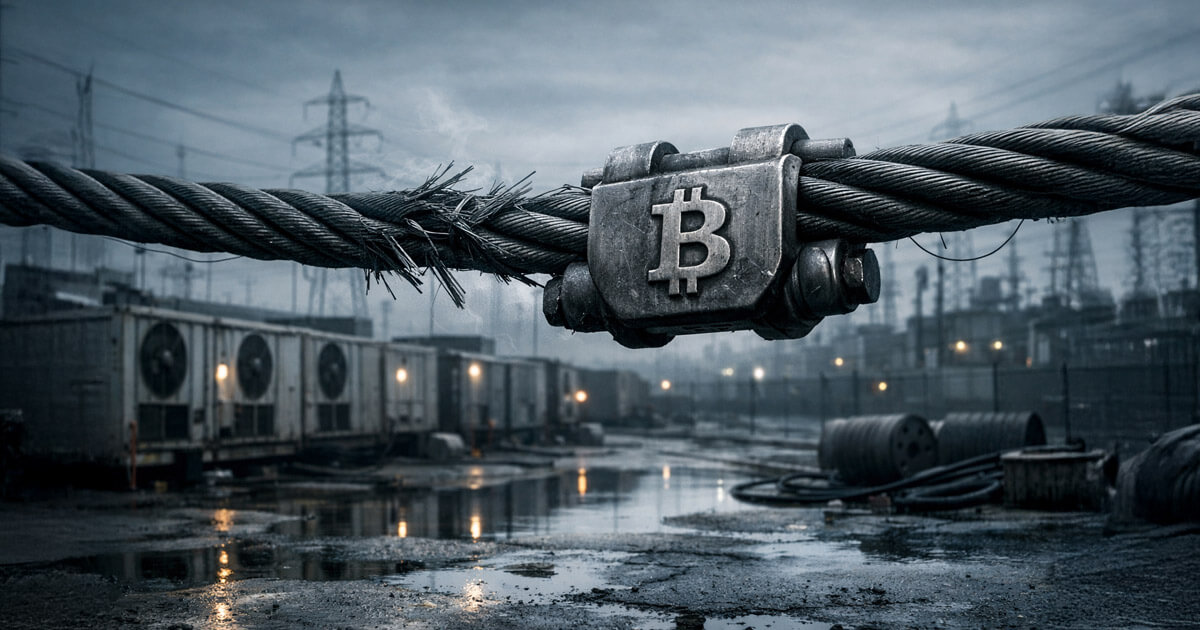
Bitcoin’s recent difficulty adjustment in early 2026 saw a slight decline to approximately 146.4 trillion. While this may seem like a minor shift, it indicates something vital happening in the mining scene. When difficulty decreases, it often reflects a reality that miners experience before market movements are recognized by investors. This adjustment can serve as an early indicator of changing market dynamics, prompting miners and investors alike to reassess their strategies and expectations.
what’s Mining Difficulty?

Mining difficulty is a core aspect of the Bitcoin network, adjusting approximately every two weeks to ensure that blocks continue to be mined roughly every ten minutes. This mechanism keeps the network running smoothly by regulating how hard it’s to find a new block based on the time taken to mine the last set of blocks. Essentially, if blocks are mined faster than the ten-minute target, the difficulty will increase, and if they’re mined slower, it will decrease. This balancing act is vital for maintaining the integrity and security of the blockchain, ensuring that transactions are processed in a timely manner.
The Current Mining Environment
As we embrace 2026, Bitcoin miners are facing unique challenges. Two main issues are affecting the sector: the aftermath of the Bitcoin halving and emerging competition for energy resources. These challenges are compounded by the increasing demand for electricity from AI data centers, which are now vying for the same energy supply that miners rely on. The convergence of these factors creates a complex market where miners must navigate not only the economic implications of their operations but also the technological advancements that shape energy consumption.
Post-Halving Dynamics
After the halving, miners receive fewer new Bitcoin rewards, which means they earn less per block mined. This makes the competition for what remains more intense. And, energy prices can fluctuate drastically, impacting operational costs significantly. Miners who once operated comfortably may find themselves squeezed by both reduced rewards and rising expenses. The need for innovation becomes paramount, as miners explore advanced technologies and more efficient mining rigs to maintain profitability amidst these pressures.
Digging Deeper: Difficulty vs. Hashprice
While mining difficulty provides insights into the network’s operations, it doesn’t tell the whole story. This is where hashprice comes into play. Hashprice is an must-have metric that indicates the expected revenue miners can earn for each unit of hashpower daily. It combines block rewards, transaction fees, market prices, and difficulty into one complete figure. Essentially, it’s a miner’s profit and loss statement condensed into a single number. Understanding hashprice allows miners to make informed decisions about when to scale operations or when to shut down unprofitable mining rigs.

Why Hashprice Matters
Hashprice enables miners to gauge their financial health. A decline in difficulty might suggest a temporary relief, but if prices are low or transaction fees are minimal, miners may still face challenges. Conversely, even if difficulty rises, strong market demand could lead to increased profits if Bitcoin prices soar. Also, fluctuations in hashprice can signal broader market trends, allowing miners to position themselves strategically in anticipation of future price movements.
Consolidation in the Mining Sector
The Bitcoin mining industry, often hailed for its decentralized nature, is witnessing a consolidation phase. When conditions become challenging—such as through low hashprice or increased operational costs—less efficient miners are pushed out of the market. This leads to a wave of bankruptcies, asset sales, and takeovers as stronger players absorb the weaker ones. The result is a more concentrated mining sector, which could have implications for network security and decentralization in the long run.
The Impact of Energy Costs
As competition for energy resources intensifies, Bitcoin miners need to rethink their strategies. Historically, miners sought out low-cost and interruptible energy sources. However, as demand from AI and other sectors grows, miners might struggle to secure the energy needed to maintain operations. A recent report from BlackRock highlighted how AI centers could consume a significant portion of U.S. electricity by 2030, creating an even tougher world for miners. In this environment, innovative solutions such as renewable energy sources and partnerships with energy providers could become needed for survival.
Looking Ahead: The Future of Bitcoin Mining
As we proceed through 2026, it’s vital for miners to adapt to these evolving circumstances. Understanding the interplay between difficulty adjustments and hashprice is vital for making informed business decisions. As the market changes, those who can effectively manage their energy costs and scalability will likely prevail. Also, technological advancements in mining equipment and energy efficiency will play a significant role in determining which miners can thrive in a highly competitive environment.
Final Thoughts
The Bitcoin mining ecosystem is continuously changing, and while recent difficulty adjustments may appear insignificant on the surface, they signify deeper shifts within the industry. As competition heats up, miners must stay agile and strategic to navigate the challenges ahead. Looking forward, the ability to adapt to market fluctuations, regulatory changes, and technological innovations will define the success of mining operations.
You Might Also Like


