
Why Dismissing AI Progress Poses Risks to Enterprises

Introduction
When it comes to the evolution of artificial intelligence (AI), it’s key to acknowledge the ongoing advancements rather than dismiss them. Over the past few years, we’ve witnessed groundbreaking developments in AI technology, yet skepticism is growing. Many are quick to label current AI outputs as “slop,” but this perspective overlooks significant progress and potential.
The AI Field: A Journey of Growth

From ChatGPT to Today
Three years ago, ChatGPT emerged and transformed the way we perceive AI. While it initially sparked excitement and investment, recent sentiments have shifted, especially following the release of GPT-5. Many casual users expressed their disappointment, focusing only on surface issues instead of the underlying advances the model represents.
The Criticism of AI
In response, various commentators have claimed that AI development has plateaued, labeling it as another inflated tech bubble. Catchphrases like “AI slop” have become commonplace, used to trivialize the impressive outputs from leading AI systems. However, such a viewpoint isn’t only misguided but also potentially harmful.
Rethinking the AI Narrative
Where Were the Critics Before?
It’s worth questioning the presence of these so-called experts during other technology bubbles. For instance, when electric scooters and NFTs were the talk of the town, many were silent. Now, as we stand on the brink of what could be the most transformative technological advancement in decades, critics seem to be out in full force, focusing on the negatives.
Real Progress Despite Doubts
Despite the criticisms, AI is progressing faster than many industry professionals anticipated. According to McKinsey, around 20% of companies are already seeing tangible benefits from generative AI. And, a survey by Deloitte indicates that 85% of organizations plan to increase their AI investments in the coming years.
The Implications of AI Denial
Understanding the Collective Skepticism
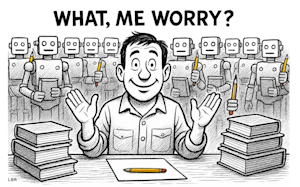
Why are so many people quick to believe that AI is faltering? This trend could be seen as a form of denial. It’s understandable—AI’s rapid growth brings the unsettling thought that machines may soon exceed human cognitive abilities. Society’s collective reluctance to embrace this change could stem from a fear of losing our intellectual dominance. You might also enjoy our guide on Tether’s Path to Becoming a Top Foreign Holder of U.S. Treas.

The Powerful Potential of AI
As someone who’s worked with neural networks since 1989, I’ve seen the transformative potential of AI firsthand. The advancements we see today, such as the latest features from Gemini 3, are astounding. Many experts in the field are in awe, if not slightly apprehensive, about what the future holds. (CoinDesk)
AI and the Creative Frontier
The Debate on Creativity
One common argument against AI’s capabilities is that it lacks true creativity. Critics assert that creativity is an inherently human trait driven by introspection and motivation. While I recognize this perspective, it’s necessary to evaluate creativity based on the quality and originality of the output, not just the source. AI systems are generating unique content at impressive speeds, challenging our traditional definitions of creativity.
Emotional Intelligence: A Double-Edged Sword
Emotional intelligence is another area where humans often feel secure. However, soon AI might outperform us in recognizing and interpreting emotions. As AI becomes integrated into our daily lives—through wearables and digital assistants—it could gather data on our emotional responses, allowing it to predict and influence our behaviors. This raises concerns about emotional manipulation, potentially erasing the advantages humans currently hold.
The Future of AI: A New Reality
Understanding AI Manipulation Risks
The concept of AI manipulation reveals that our emotional intelligence might not be the strength we think it’s. AI systems could analyze us with greater accuracy than we could ever comprehend, leading to a scenario where AI can influence our decisions without us even realizing it. The AI you interact with may appear empathetic, but remember, it’s designed to impact your thoughts and feelings.
The Reality of AI’s Evolution
We’re entering an era where AI will have a significant presence in our day-to-day lives. Rather than being a temporary phenomenon, AI is evolving into a fundamental part of our society, reshaping how we engage with technology. The vast investments in AI aren’t mere hype; they reflect a genuine belief in AI’s potential to improve and influence our lives. For more tips, check out How Bitcoin Mining Can Cut Your Energy Costs: The New Energy.
Conclusion: Embrace the Future
Denial of AI’s capabilities and the tendency to label its outputs as “slop” won’t change the trajectory of this technology. Instead, it’s vital to prepare for its implications and possibilities. As AI continues to develop, understanding its capabilities and limitations will be necessary for navigating this rapidly changing space. (Bitcoin.org)
You Might Also Like


