
How Bitcoin Mining Can Cut Your Energy Costs: The New Energy Market Dynamics

Understanding Bitcoin Mining’s Role in Energy Markets
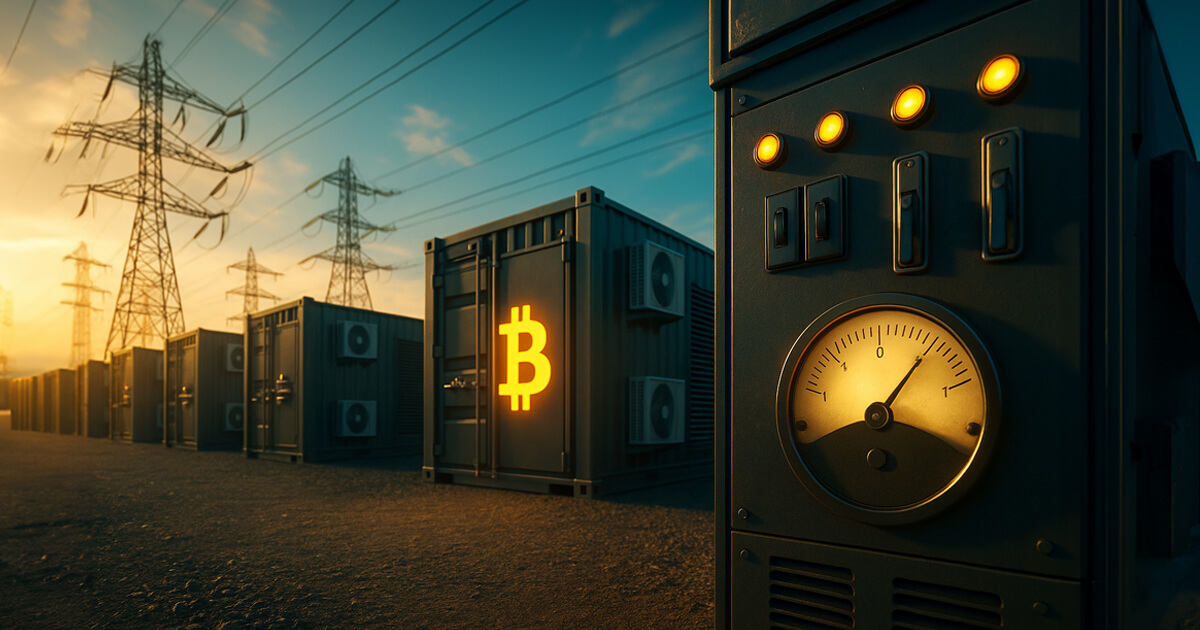
Bitcoin mining has been gaining attention not just for its potential profits, but also for how it can influence energy markets. Essentially, miners can help lower electricity costs by being flexible with their operations. This flexibility allows them to respond to energy supply fluctuations, essentially acting as a grid service. This means they can quickly turn their mining rigs on or off, depending on the current energy prices and availability.
The Impact of Renewable Energy on Mining

A significant factor in this discussion is the increasing share of renewable energy in many power grids. For instance, in September 2025, California reported over 179,640 megawatt-hours of wind and solar energy went unused (curtailed), highlighting the surplus energy available during certain times of the day. Regions like Europe and Asia are also seeing lower daytime energy prices, creating a ripe environment for miners who can adapt their energy consumption accordingly.
Flexible Demand as a Solution
Mining operations that can vary their electricity usage based on market conditions are in a prime position to capitalize on this surplus energy. They can absorb excess energy during the day when supply exceeds demand and reduce their consumption during peak hours, when energy costs rise. This adaptability not only saves costs but also helps stabilize the grid.
The Current Economics of Bitcoin Mining
As of now, the spot hashprice stands at around $39 per petahash (PH) per day. For miners using efficient hardware and favorable power contracts, revenues can exceed operational costs, making mining an economically viable venture. The figures indicate that the demand-response market is still open, even after recent fluctuations in Bitcoin prices. (CoinDesk)
Understanding Hashprice and Efficiency
A typical mining machine, such as a 17.5 joules per terahash (J/TH) model, consumes roughly 17.5 kilowatts per PH. This translates to about 0.42 megawatt-hours (MWh) per day, generating gross revenues of approximately $93 per MWh at the current hashprice. However, once you account for overheads, cooling losses, and other costs, the practical cutoff for many miners often falls between $70 and $85 per MWh. Beyond this range, miners may need to shut down operations unless they’ve exceptionally efficient equipment or hedge their power costs effectively. You might also enjoy our guide on Google DeepMind Unveils AlphaGenome: A Unified Sequence-to-F.
How Market Structures Affect Mining Operations
In markets like ERCOT in Texas, miners can participate in real-time markets, earning revenue by providing load flexibility. This allows miners to be compensated not just for the energy they consume, but also for their ability to quickly reduce load during peak demand periods. Notably, Texas Senate Bill 6, enacted in 2025, introduces stricter regulations for large energy loads, requiring participation in demand management strategies.
Future Market Conditions
As the market evolves, miners may need to adapt their operational strategies. ERCOT plans to enhance its real-time market structures to better accommodate flexible demand. This translates into opportunities for miners to capitalize on price spikes while also benefiting from ancillary services.
Global Trends in Renewable Energy and Mining
Looking globally, countries like Japan and China are also experiencing challenges with renewable curtailments, stemming from their growing reliance on renewable energy sources. Japan saw a 38% increase in renewable curtailments in the first half of 2025, while China’s curtailment rates have also risen significantly. These conditions reinforce the necessity for mining operations to adapt to real-time market conditions to remain profitable.

Market Opportunities in the United States
The U.S. is rapidly becoming a focal point for Bitcoin mining, with nearly half of the global network hash rate. New modular mining sites building on stranded energy sources, such as flared gas, are emerging, demonstrating innovative approaches to energy consumption and waste reduction. These developments not only benefit miners but also enhance the overall sustainability of energy markets. (Bitcoin.org)
Final Thoughts: The Future of Mining and Energy
To wrap up, Bitcoin miners have a unique opportunity to tap into flexible energy consumption to cut costs and aid in grid stability. As energy markets evolve, the ability to respond to price changes will become increasingly important. For miners, the key takeaway is clear: adaptability is major. By aligning operational strategies with market dynamics, miners can turn potential energy waste into economic gain. For more tips, check out ETHZilla’s Bold Bet: Why Ethereum Stands to Transform Financ.
Frequently Asked Questions (FAQ)
1. How can Bitcoin mining reduce my energy costs?
Bitcoin mining can reduce energy costs by acting as a flexible load that adjusts its energy consumption based on market prices, enabling miners to make the most of surplus energy.
2. what’s the current economic outlook for Bitcoin mining?
Despite recent fluctuations in Bitcoin prices, mining remains profitable for operations using efficient hardware and favorable power contracts.
3. What are the benefits of flexible demand in energy markets?
Flexible demand allows for better grid stability and can lead to cost savings for consumers by matching energy consumption with supply peaks.
4. How do renewable energy curtailments affect Bitcoin mining?
Renewable energy curtailments create surplus energy that miners can use, allowing them to lower costs while contributing to grid stability.
5. What regulations are affecting Bitcoin mining in Texas?
Texas Senate Bill 6 requires large energy loads to participate in demand management strategies, which could impact mining operations significantly.
You Might Also Like: Market Dynamics: Bitcoin and Altcoin Price Trends Under Pressure


