
The Trust Crisis in AI Marketing: Bridging the Gap
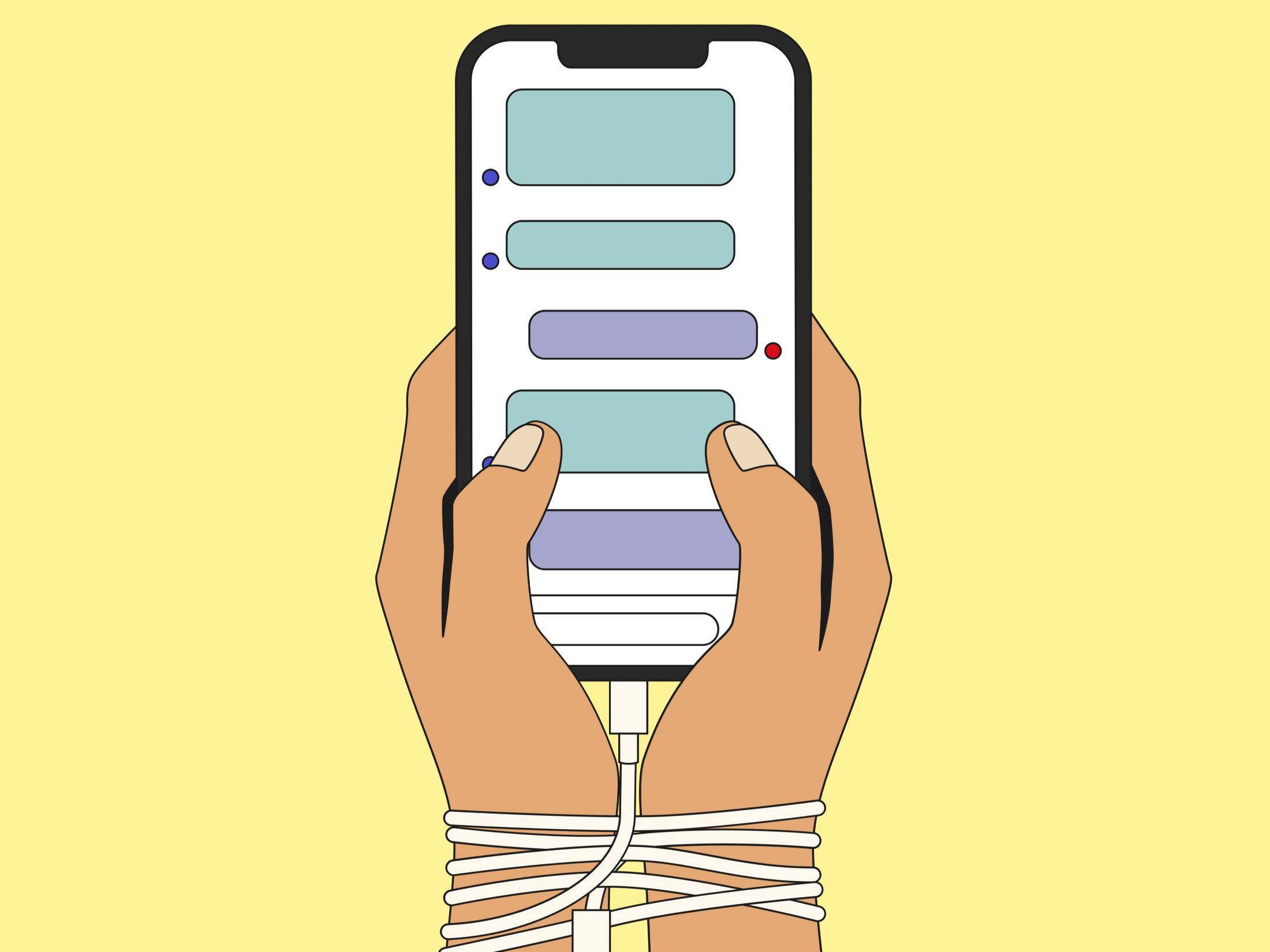

Understanding the AI Marketing Scene
Today, AI has become an must-have tool for marketers, with a staggering 92% incorporating it into their daily activities. Despite the advancements and advantages that AI brings, consumer trust is dwindling, especially regarding personal data handling. This disconnect could jeopardize the personalized experiences brands aim to create. As brands increasingly rely on AI to tailor their marketing efforts, the importance of building consumer trust has never been more critical. Marketers must not only tap into AI for its efficiency but also address the growing concerns about data privacy and ethical practices.
AI’s Role in Marketing Efficiency

As highlighted by SAP Emarsys, the integration of AI into marketing strategies isn’t just a trend; it’s a transformation. According to their research involving over 10,000 consumers and 1,250 marketers, many businesses are reaping significant benefits. A notable 71% of marketers state that AI enables faster campaign launches, saving them an average of two hours per project. This boost in efficiency allows teams to shift their focus from mundane tasks to more creative, strategic endeavors. And, the data-driven insights provided by AI can help marketers better understand their target audience, leading to more effective campaigns that resonate with consumers.
Impact on Engagement and Loyalty
The positive outcomes are evident. Around 60% of marketers have witnessed increased customer engagement, while 58% report enhanced loyalty since working with AI. However, there’s a stark contrast between the marketers’ perspective and the consumer’s reality. While marketers celebrate these metrics, many consumers still feel that their individual preferences and needs aren’t being adequately addressed, highlighting a critical area for improvement. Bridging this gap will require a more nuanced understanding of consumer behavior and preferences, rather than relying solely on broad data trends.
The Widening Personalization Gap
Despite the implementation of AI-driven marketing strategies, consumers are feeling more disconnected. The report reveals a significant “personalization gap,” with 40% of consumers feeling that brands don’t truly understand them—a jump from 25% the previous year. Also, a concerning 60% of consumers believe the marketing emails they receive lack relevance. This gap underscores the need for brands to re-evaluate their personalization tactics and strive for a more authentic connection with their audience. To lessen this gap, brands can benefit from soliciting direct feedback from consumers to better align their offerings with customer expectations.
Consumer Distrust in Data Handling
Diving deeper into the issue, we see a growing crisis of trust surrounding the handling of personal data. Globally, 63% of consumers express distrust in AI’s management of their data, a rise from 44% just a year earlier. In the UK, the distrust is even more pronounced, with 76% of shoppers feeling uneasy about data security in AI marketing. These figures suggest that brands need to adopt more transparent data practices and communicate how consumer data is used. By fostering an environment of trust, brands can mitigate some of the skepticism consumers harbor towards AI and its implications.
Regulatory Challenges Ahead
This decline in trust coincides with the introduction of new regulations. Following the rollout of the EU’s AI Act, 37% of marketers in the UK have revised their AI strategies, with 44% claiming their approach has grown more ethical. This creates a pressing challenge for the industry: how to remain innovative without compromising ethical standards. As regulations evolve, marketers will need to stay informed and agile, adapting their strategies to comply with new guidelines while still achieving their business objectives.
Striking the Right Balance

As Dr. Stefan Wenzell from SAP Emarsys emphasizes, regulation should balance consumer protection with fostering innovation. The establishment of clearer guidelines is necessary, yet over a quarter of marketing professionals fear that stringent regulations could stifle creativity. This tension between compliance and innovation will require marketers to find new ways to engage consumers while adhering to ethical standards, potentially leading to innovative approaches that prioritize both compliance and creativity in marketing strategies.
Understanding Consumer Needs
The message for retailers is simple: prove your value. Over half of consumers believe AI simplifies their shopping experience (55%) and makes it quicker (53%). They use AI to discover products, compare prices, and generate gift ideas. The demand for helpful AI is undeniable, but it must prioritize transparency and privacy. As these expectations grow, brands must continually evaluate how they can enhance the customer experience through AI, ensuring that technology serves as a facilitator of genuine connections rather than a barrier.
Successful Brand Strategies
Some companies excel by prioritizing human connection over mere technology. For instance, Sterling Doak, Head of Marketing at Gibson, highlights the importance of using AI as a tool that enhances human creativity rather than just automating processes. Similarly, Mike Cheng from City Beach found that AI could predict customer churn effectively, leading to tailored campaigns that successfully re-engaged 48% of at-risk customers within three months. These examples illustrate that when brands use AI to complement human intuition and empathy, they can create more meaningful interactions that resonate with consumers.
The Future of AI in Marketing
What these success stories share is a commitment to addressing real consumer problems. As we look into deeper into what SAP Emarsys terms the “Engagement Era,” a clearer path emerges for retailers. Investment in AI is on the rise, with 64% of marketers planning to increase their budgets next year. The issue isn’t the technology itself; it’s about its application. Marketers must focus on how they deploy AI to ensure that it aligns with the needs and values of their consumers, promoting a more inclusive and responsive marketing market.
Closing the Trust Gap
To truly harness the power of AI, retailers must bridge the gap between their strategies and consumer expectations. This means moving beyond generic personalization to provide genuine value, being open about how data is used, and demonstrating that sharing information can enhance the overall experience. By fostering a culture of trust and transparency, brands can build long-lasting relationships with their consumers, ensuring that AI serves as a catalyst for positive engagement rather than a source of concern.
Conclusion: Remembering the Human Element
The AI revolution is underway, but for it to thrive, marketing professionals need to keep the human experience at the forefront of their efforts. Understanding and addressing consumer concerns is important for building a sustainable relationship and trust in AI marketing. As the world continues to evolve, brands that prioritize authenticity and transparency won’t only survive but thrive in this new era of marketing.
FAQs
- What percentage of marketers use AI?
Currently, 92% of marketing professionals are incorporating AI into their daily tasks. - Why are consumers losing trust in AI marketing?
Many consumers feel that brands don’t understand their needs and are concerned about how their personal data is being handled. - How does AI improve marketing efficiency?
AI helps marketers launch campaigns faster, allowing them to save time and focus on creative and strategic tasks. - what’s the personalization gap?
The personalization gap refers to the disconnect where consumers feel that brands fail to understand them, despite heavy investments in AI for personalized marketing. - How can brands build trust with consumers?
By prioritizing transparency, ethical data use, and focusing on genuine consumer needs, brands can rebuild trust with their audience.


