
China’s Innovative Use of AI in Energy Management
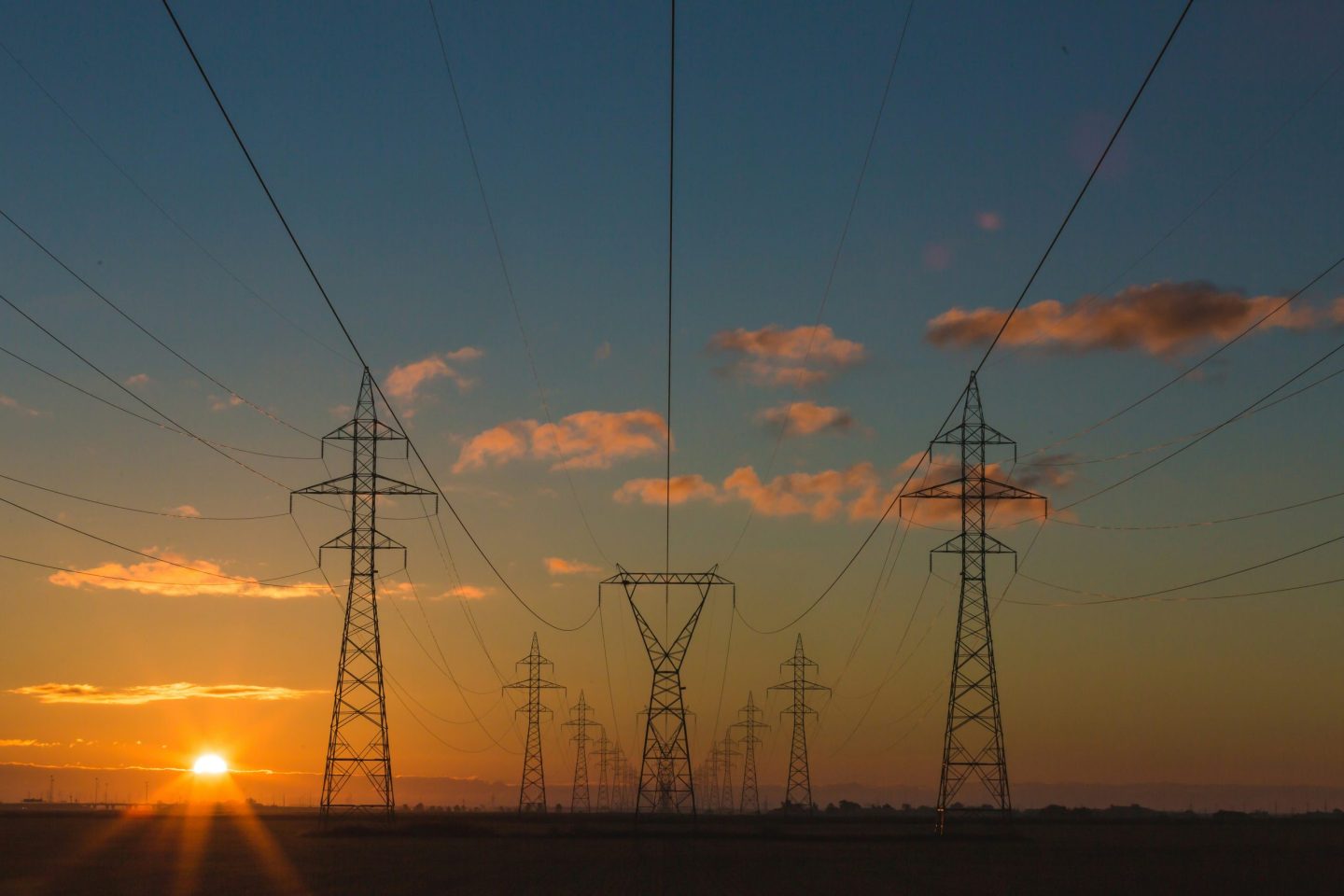

Overview of AI in China’s Energy Sector
China is taking significant steps to enhance its energy system using artificial intelligence (AI). The integration of AI isn’t just theoretical; it’s being implemented in everyday operations. From monitoring electricity production to adjusting usage based on real-time conditions, AI is becoming a critical part of how energy is managed in the country.
The Role of AI in Renewable Energy Production

In northern China, the city of Chifeng showcases a remarkable example of AI’s influence in renewable energy. A factory there utilizes hydrogen and ammonia production, powered entirely by local wind and solar energy. This facility operates independently from the general power grid, which presents both advantages and challenges. While renewable energy is eco-friendly, its availability can fluctuate based on weather conditions.
AI Control Systems and Efficiency
To maintain stable production levels, the factory uses an AI-based control system developed by Envision, the facility’s owner. Rather than adhering to a rigid production schedule, this intelligent software continuously adapts its operations in response to changing wind and sunlight levels. Zhang Jian, Envision’s chief engineer specializing in hydrogen energy, likens the system to a conductor orchestrating the relationship between electricity supply and industrial demand in real time.
- Adaptive Production: As wind speeds increase, the factory ramps up production to harness the maximum available energy.
- Quick Adjustments: If wind conditions decline, electricity consumption is promptly reduced to prevent any strain on the system.
This smart system enables the factory to operate at peak efficiency, effectively managing the inherent variability of renewable energy sources.
China’s Future Energy Plans and AI Integration
Projects like the one in Chifeng are part of China’s broader initiative to develop hydrogen and ammonia as cleaner alternatives in industries such as steelmaking and shipping. The country aims to use AI to manage the complexities associated with increasing renewable energy integration into the power grid.
AI’s Potential in Achieving Climate Goals
Experts believe that AI could significantly contribute to China’s climate ambitions. Zheng Saina, an associate professor at Southeast University in Nanjing, emphasizes AI’s capabilities, which range from tracking emissions to predicting energy supply and demand. However, she also warns that the very growth of AI technology is leading to increased power consumption, especially with the rise of energy-intensive data centers. (CoinDesk)
Challenges of Integrating Renewable Energy
While China is the global leader in installing wind and solar capacity, using this power efficiently remains a daunting challenge. Cory Combs from Trivium China highlights the growing perception of AI as a solution to enhance grid flexibility and responsiveness. You might also enjoy our guide on Cryptocurrency Market Update: Bitcoin and Altcoins Show Sign.
The “AI+ Energy” Strategy
In September, China announced an “AI+ energy” strategy focused on deepening the connections between AI technology and the energy sector. The plan outlines the development of large AI models specifically aimed at grid operations, power generation, and industrial applications. By 2027, the government plans to implement numerous pilot projects testing AI across over 100 distinct use cases.
- Specialized Tools: This initiative emphasizes creating specialized AI tools for tasks such as managing renewables, nuclear energy facilities, and balancing the grid.
- Comparison with the U.S.: Contrasting the U.S., where investment mainly focuses on advanced large-language AI models, China is prioritizing practical applications in energy management.
The Importance of Accurate Demand Forecasting
One area where AI can significantly impact is demand forecasting. Fang Lurui, an assistant professor at Xi’an Jiaotong-Liverpool University, points out that power grids must constantly align supply with demand to prevent outages. Accurate forecasts can help operators strategize energy storage and reduce dependence on coal-powered backup plants.
Innovative City-Wide Initiatives
Some cities are already experimenting with advanced systems. For instance, Shanghai has initiated a citywide virtual power plant that connects various operators, including data centers and electric vehicle chargers, into a cohesive network. During a trial last August, this system successfully reduced peak demand by over 160 megawatts, comparable to the output of a small coal facility.
AI Applications Beyond the Grid

China is also exploring the use of AI in its carbon trading market, which takes in over 3,000 companies in heavy-emission sectors such as power, steel, and cement. Chen Zhibin, a senior manager at the Berlin-based think tank adelphi, explains that AI can help regulators verify emissions data, refine allowance allocations, and provide companies with better insights into their production costs.
Balancing Opportunities and Risks
However, with the potential benefits of AI come increasing risks. Projections suggest that by 2030, China’s AI data centers could consume upwards of 1,000 terawatt-hours of electricity annually, rivaling Japan’s current energy consumption. Lifecycle emissions related to the AI sector are anticipated to rise sharply, potentially conflicting with China’s 2030 emissions commitments. (Bitcoin.org)
Regulatory Responses and Future Developments
In light of these challenges, regulators are tightening standards. An action plan for 2024 mandates that data centers enhance energy efficiency and boost their renewable energy usage by 10% each year. Plus, initiatives are in place to encourage new facilities in western regions rich in wind and solar resources. For more tips, check out Revolutionizing Computing: The Shift Towards Deterministic E.
Innovative Solutions to Energy Demands
Operators on the eastern coast are also piloting new ideas. Near Shanghai, a submerged data center is set to open, using seawater for cooling, thus minimizing energy and water utilization. The project’s developer, Hailanyun, claims that the facility will primarily source its energy from an offshore wind farm and could pave the way for similar projects if successful.
Conclusion: The Path Forward with AI
Despite the growing energy demands associated with AI, Xiong Qiyang, a doctoral researcher at Renmin University, argues that if applied judiciously, AI could still have a positive overall impact on emissions. Its applications in optimizing heavy industries, power systems, and carbon markets may prove vital to China’s emission reduction efforts, even as it generates new challenges that must be addressed thoughtfully.
FAQs
What are the main benefits of AI in energy management?
AI improves efficiency by optimizing production and energy use, allowing better demand forecasting and real-time adjustments in response to energy fluctuations.
How is AI helping China meet its climate goals?
AI supports emissions tracking, forecasts energy supply and demand, and helps manage the integration of renewable energy into the grid, playing a important role in reducing overall emissions.
what’s the “AI+ energy” strategy?
The “AI+ energy” strategy is a government initiative aimed at enhancing the integration of AI systems within the energy sector, focusing on grid operations and various energy management applications.
Are there risks associated with AI in energy?
Yes, the rapid expansion of AI, particularly in data centers, can lead to increased energy consumption and lifecycle emissions, potentially complicating climate goals.
What innovative projects are being tested in China?
Projects like Shanghai’s virtual power plant and the underwater data center near Shanghai are being implemented to improve energy efficiency and reduce peak demand.
Related Reading
You Might Also Like


