
XRP’s Path to Institutional Trust: Navigating Regulatory Changes

Introduction
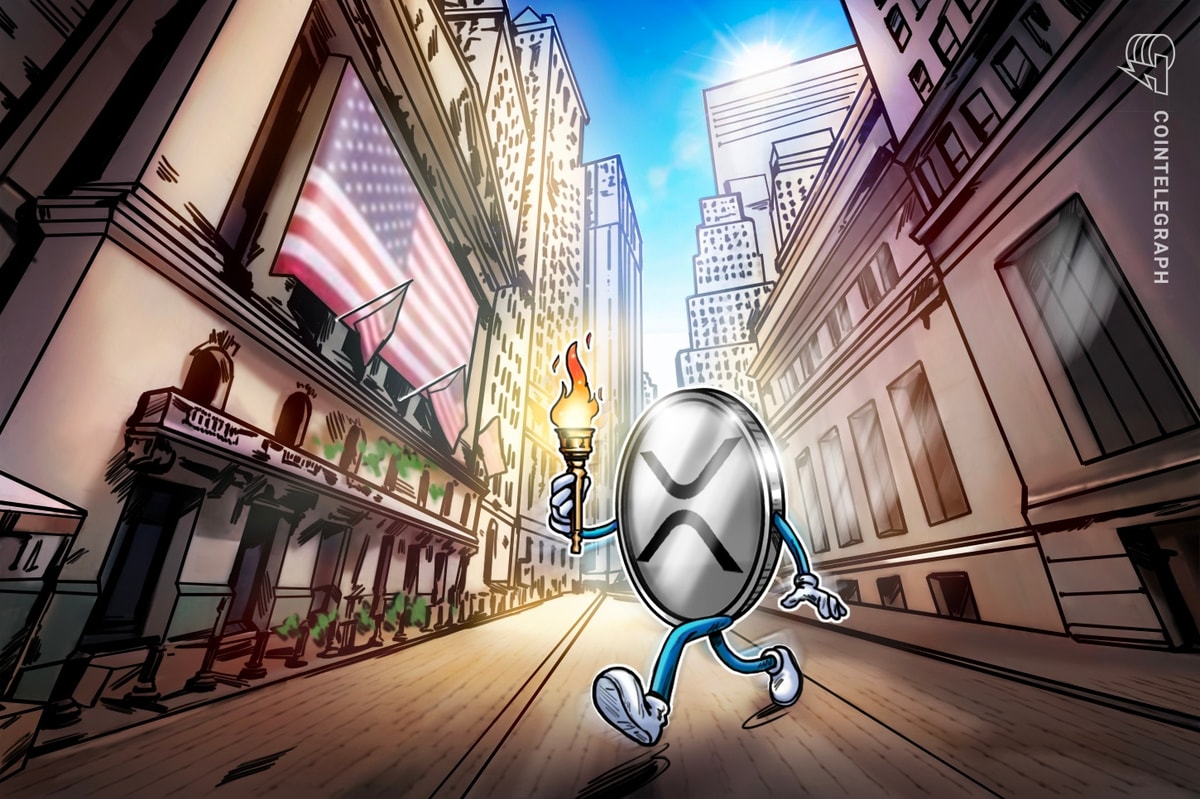
XRP has emerged as a significant player in the cryptocurrency market, particularly after recent regulatory clarity. By addressing legal uncertainties, XRP is now better positioned for institutional adoption compared to its rival, Ether. This article dives into how regulatory developments have shaped XRP’s journey and what it means for the future.
Understanding XRP and Its Challenges

Launched in 2012 by Ripple Labs, XRP was designed to serve as a swift and cost-effective digital currency for international transactions. Unfortunately, its growth trajectory was impeded by a lawsuit from the U.S. Securities and Exchange Commission (SEC) in 2020, which accused Ripple of conducting unregistered securities sales. This legal battle left XRP’s regulatory status in limbo, discouraging banks and funds from working with its payment network.
While XRP struggled, Ether maintained a stronghold as the second-largest cryptocurrency, buoyed by a vibrant ecosystem powered by decentralized finance (DeFi), smart contracts, and non-fungible tokens (NFTs). Yet, Ether also faced its own challenges, including scalability issues and soaring transaction fees. As institutions sought quicker and cheaper settlement options, doubts began to emerge regarding Ether’s long-term viability.
The SEC Settlement: A Turning Point for XRP
In August 2025, Ripple and the SEC finally reached a settlement, bringing an end to a nearly five-year legal struggle. This agreement confirmed that XRP isn’t classified as a security in secondary-market transactions, marking a key moment in restoring institutional trust and paving the way for renewed adoption.
Post-settlement, clearer regulations facilitated the introduction of new financial products, including proposed XRP exchange-traded funds (ETFs) and broader exchange listings. The SEC is slated to decide on several spot XRP ETF applications by October 2025, offering exciting opportunities for institutional investors.
Signs of Institutional Interest and Market Dynamics
Even before the formal settlement, indications of growing institutional interest in XRP were evident. In July 2025, XRP experienced notable price increases, higher trading volumes, and a surge in institutional holdings. According to BitGo, XRP constituted 3.9% of its portfolio as of June 30, 2025, a sign of increasing institutional acceptance. You might also enjoy our guide on PepsiCo uses AI to rethink how factories are designed and up.
Plus, the launch of XRP futures by CME Group in May 2025 generated $542 million in trading volume during its debut month, with 45% of trades coming from outside North America. The open interest surged from around $70.5 million to over $1 billion by August, indicating a rising appetite for regulated exposure to XRP. (CoinDesk)
XRP vs. ETH: A New Competitive Field
In 2025, XRP began to outperform Ether in various key metrics, showcasing a notable shift in market sentiment. The SEC-Ripple settlement eliminated a significant regulatory obstacle for XRP, aligning its legal clarity with that of Ether. However, while the Ethereum blockchain focuses on decentralized applications, DeFi, and smart contracts, XRP’s Ledger is centered on facilitating fast and efficient payments.
With transaction times of just three to five seconds and minimal fees, XRP distinguishes itself as a leading payment solution. In 2025, this efficiency translated into impressive price gains and steady trading volumes, reflecting renewed investor confidence and greater institutional interest.
Implications for Investors and Market Strategies
The resurgence of XRP in 2025 carries significant implications for various stakeholders in the cryptocurrency sphere. Here are some key takeaways:
- For Investors: XRP’s utility-focused framework positions it as an efficient bridge between traditional fiat systems and the digital realm, especially now that legal uncertainties have diminished.
- For Institutional Adoption: XRP is increasingly viewed as a benchmark for regulated crypto adoption, supported by the anticipated launch of ETFs and other structured financial products.
- For the Broader Financial Field: XRP’s success could shift focus towards utility-oriented cryptocurrencies over speculative assets, potentially affecting regulatory approaches to other digital currencies.
However, the cryptocurrency market remains dynamic, with fundamental shifts likely influencing investment strategies going forward.

Challenges and Risks on the Horizon
Despite XRP’s recent positive momentum, several challenges linger that could impact its future trajectory: For more tips, check out Solana’s ($SOL) Future: Why Digitap ($TAP) is the Best Inves.
- Regulatory Hurdles Beyond the U.S.: While the SEC settlement has clarified XRP’s status in the U.S., regulatory challenges may arise in foreign markets, such as Europe and Asia.
- Technological Competition: Advancements in competing cryptocurrencies and blockchain technologies pose a continuous threat to XRP’s market position.
- Dependence on Institutional Interest: Unlike Ethereum, XRP’s growth is heavily reliant on institutional involvement. A withdrawal of interest could hinder its progress.
- Developer Community: Ether benefits from a vast developer network and an array of decentralized applications. XRP’s ecosystem still requires expansion in this area.
Overall, while XRP shows promise through its utility and regulatory clarity, sustaining its competitive edge will necessitate addressing these challenges and expanding its ecosystem. (Bitcoin.org)
Conclusion
In summary, XRP’s path toward institutional adoption has been greatly influenced by recent regulatory developments, particularly the SEC settlement. As the cryptocurrency space continues to evolve, XRP’s focus on utility and compliance may allow it to carve a more prominent niche in the market, potentially rivaling other established players like Ether.
FAQs
what’s XRP?
XRP is a digital currency designed by Ripple Labs for fast and cost-effective international transactions.
Why was XRP’s growth stunted?
XRP faced significant challenges due to a lawsuit from the SEC, which claimed it was an unregistered security.
What was the impact of the SEC settlement?
The settlement clarified XRP’s regulatory status and restored institutional trust, paving the way for new financial products like ETFs.
How does XRP differ from Ether?
XRP focuses on payments and efficiency, while Ether is centered around smart contracts and decentralized applications.
What challenges does XRP face moving forward?
XRP must navigate regulatory hurdles in international markets and strengthen its developer community to maintain competitiveness.
You Might Also Like: Ethereum, XRP, and Solana Lead the Charge for Institutional Investment in 2025


