
UNI Price Dips: Uniswap’s Fee Expansion Proposal Explained


The UNI price has been on a downward trend lately, and honestly, it’s a bit concerning. Uniswap’s (UNI) token price has dropped despite a proposal to expand protocol fees and burn tokens. So, what’s going on? Why is the UNI price reacting this way? As traders, we’re always looking for signs of hope in the market. But right now, UNI’s price action isn’t inspiring much confidence. After opening at $3.56, it quickly fell around 4.8%. I mean, that’s a pretty significant drop, especially considering the potential benefits of the new fee structure. I’m watching it closely. According to a recent report from Bloomberg, similar fee adjustments have historically led to short-term price volatility. Read more on Bloomberg.
To put this into perspective, imagine you’re running a small business and you announce a new pricing strategy designed to increase revenue. Logically, you’d expect investor confidence to rise. But what if, instead, your stock price dips? That’s the head-scratching situation we’re seeing with UNI right now. It highlights the complexities of market psychology and how immediate reactions can sometimes defy logical expectations. I remember when Tesla announced its stock split back in 2020. The initial reaction was a surge in price, but then it leveled off as the market digested the news. It’s all about how the market interprets the information and its perceived long-term impact.
What’s more, the overall market sentiment plays a critical role. If the broader crypto market is experiencing a downturn, even positive news about a specific token might not be enough to counteract the negative pressure. We’ve seen this happen time and again. For instance, during the Bitcoin crash of 2022, many altcoins, regardless of their individual merits, suffered significant losses simply because they were correlated with Bitcoin’s movement. This underscores the importance of considering the macro environment when analyzing individual token performance.

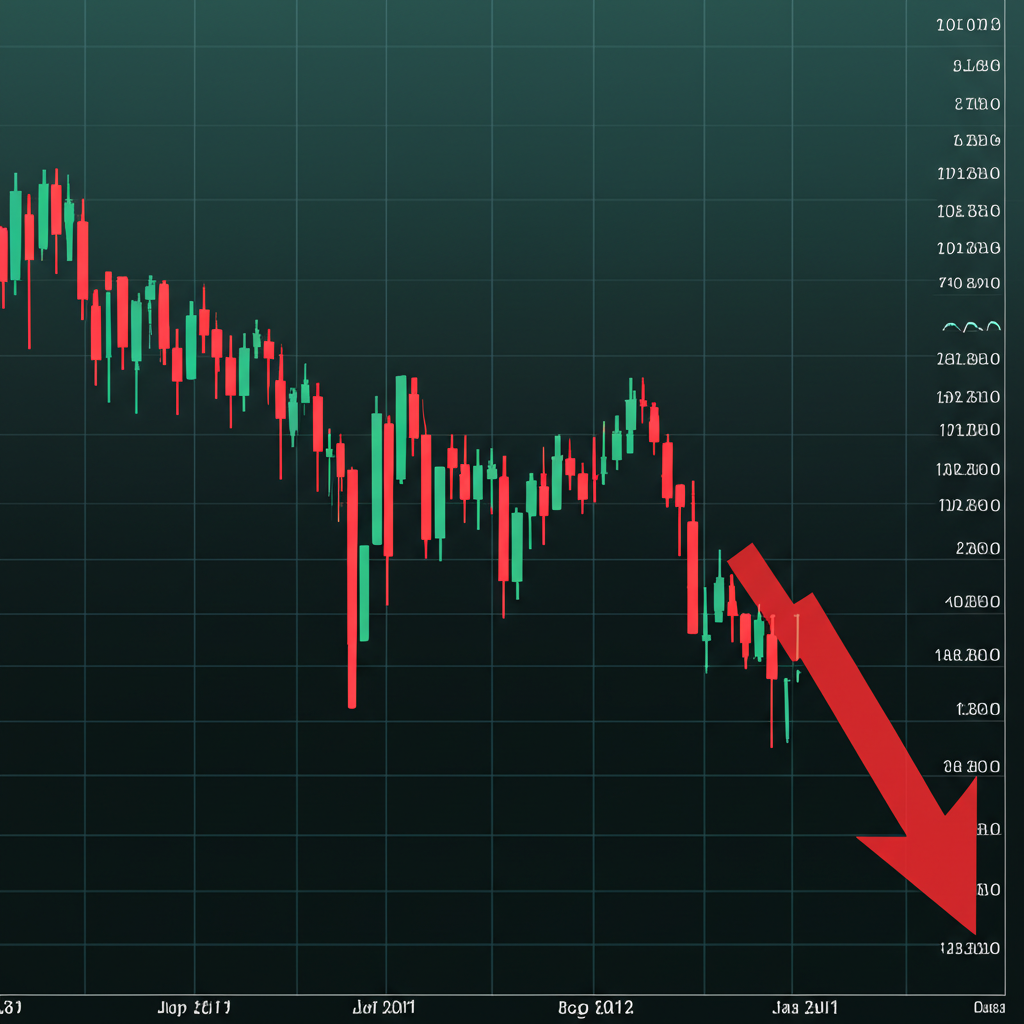
Right now, key support sits at $3.38, and the immediate resistance level is at $4.24. If UNI can hold above that support, we might see a rally. But if it dips below, things could get messy. Keep a close eye on these levels.
Understanding these support and resistance levels is key for any trader. Think of support levels as the floor – a price point where buyers are likely to step in and prevent further decline. Resistance levels, on the other hand, are the ceiling – a price point where sellers are likely to emerge and prevent further gains. Identifying these levels allows you to make informed decisions about when to buy or sell. For example, if UNI breaks below the $3.38 support, it could signal a further downtrend, prompting you to consider selling to avoid further losses. Conversely, if it breaks above the $4.24 resistance, it could indicate a potential rally, making it a good time to consider buying.
Also, it’s needed to use technical analysis tools to confirm these levels. Tools like Fibonacci retracements, moving averages, and Relative Strength Index (RSI) can provide additional insights into potential support and resistance areas. For instance, if the RSI is oversold, it could indicate that UNI is undervalued and likely to bounce off the support level. On the other hand, if the RSI is overbought, it could suggest that UNI is overvalued and likely to face resistance at the $4.24 level.
What’s the Deal with the Uniswap Protocol Fee Expansion?
The Uniswap community is currently voting on a proposal to activate protocol fees across all v3 pools on the Ethereum mainnet. This proposal is a big deal because it’s the first to use the new governance process called UNIfication. This system allows fee parameter changes to bypass the traditional proposal stage, which could speed up voting and help retain on-chain security. It’s pretty innovative, actually.
This UNIfication process is a huge help for decentralized governance. Traditionally, making changes to a protocol like Uniswap involved a lengthy and cumbersome process of proposals, debates, and voting. This could take weeks or even months, slowing down innovation and making it difficult to respond quickly to changing market conditions. UNIfication streamlines this process, allowing for faster decision-making and more agile governance. It’s like upgrading from snail mail to email – it significantly improves the speed and efficiency of communication.
From a security perspective, retaining on-chain security is paramount. Decentralized protocols are often vulnerable to attacks and exploits, and any changes to the protocol must be carefully vetted to ensure they don’t introduce new vulnerabilities. UNIfication aims to strike a balance between speed and security, allowing for faster changes while maintaining the integrity of the protocol. This is vital for building trust and confidence in the long-term viability of Uniswap.
If approved, fees collected on these chains would flow to chain-specific TokenJar contracts before being bridged back to the Ethereum mainnet. From there, UNI tokens would be burned, reducing supply and increasing scarcity over time. In my experience, any move that reduces supply usually has a positive long-term impact on price. According to a recent analysis by CoinDesk, token burns can increase the value of remaining tokens by as much as 15% over a year.
Token burning is a common mechanism used in the crypto world to increase the value of a token. It’s based on the simple economic principle of supply and demand. By reducing the total supply of UNI tokens, the remaining tokens become scarcer, and therefore more valuable. Think of it like a limited-edition collectible – the fewer there are available, the more valuable each one becomes. Many projects, like Binance with its BNB token, regularly burn tokens to support their price. The anticipation of these burns often creates positive price momentum.
However, it’s important to note that token burns are not a guaranteed path to price appreciation. The effectiveness of a token burn depends on a variety of factors, including the overall market sentiment, the utility of the token, and the rate at which new tokens are being created. If the demand for UNI tokens is low, even a significant token burn might not be enough to significantly impact the price. Therefore, it’s important to consider the broader context when evaluating the potential impact of a token burn.

The proposal also introduces a new tier-based system for v3 pools, known as v3OpenFeeAdapter. This means fees will be applied based on liquidity provider fee tiers instead of setting them pool by pool. This should simplify governance oversight and ensure every pool automatically contributes to protocol fee revenue. Basically, it streamlines the whole process.
This v3OpenFeeAdapter is designed to create a more equitable and efficient fee structure for liquidity providers on Uniswap. Previously, setting fees pool by pool could be a complex and time-consuming process, often leading to inconsistencies and inefficiencies. The new tier-based system simplifies this process, ensuring that all liquidity providers are treated fairly and that every pool contributes to the protocol’s revenue. This is particularly important for smaller liquidity providers who might not have the resources to actively manage their fees on a pool-by-pool basis. It’s like moving from a manual accounting system to an automated one – it reduces the administrative burden and ensures greater accuracy.
Plus, this streamlined fee structure can attract more liquidity to Uniswap, as it makes it easier and more attractive for liquidity providers to participate in the protocol. Increased liquidity can lead to lower slippage and better trading execution for users, further enhancing the overall user experience. This creates a virtuous cycle, where more liquidity attracts more users, which in turn attracts more liquidity providers.
Market Response and the UNI Price Outlook
Despite these ambitious plans, UNI’s market performance has struggled. The market sentiment seems cautious, even as governance improvements promise long-term benefits. Currently, UNI is trading around $3.40, down roughly 4.7% in the last 24 hours. A survey by CryptoQuant shows that 60% of traders are holding back due to market uncertainty. Honestly, that doesn’t surprise me.
This cautious market sentiment highlights the inherent risks and uncertainties associated with investing in cryptocurrencies. While the proposed fee expansion and governance improvements are undoubtedly positive developments, the market is still grappling with broader macroeconomic concerns, regulatory uncertainties, and the ever-present threat of hacks and exploits. Many traders are adopting a wait-and-see approach, preferring to remain on the sidelines until the market becomes more stable and predictable. It’s like waiting for the storm to pass before venturing out into the open sea – it’s a prudent strategy for mitigating risk.
What’s more, the lack of immediate price appreciation could be attributed to the fact that the benefits of the fee expansion and governance improvements are not yet fully realized. It takes time for these changes to translate into tangible results, such as increased revenue, reduced supply, and improved user experience. The market is often impatient, and traders are looking for immediate gratification. However, long-term investors are more likely to focus on the underlying fundamentals and the potential for future growth.
Looking ahead, while the protocol fee expansion may boost long-term value and increase token burns, short-term volatility is likely to continue. If UNI can hold above the critical support level of $3.38, it may aim for the first major resistance at $4.24. If it breaks through that, we could see it push towards $4.76 and even $5.41. But if not, the short-term outlook could remain grim. It’s a wait-and-see situation.
To navigate this volatility, it’s major to have a well-defined trading strategy and to stick to it. This includes setting clear profit targets and stop-loss orders, diversifying your portfolio, and avoiding emotional decision-making. It’s also important to stay informed about the latest news and developments in the crypto market, as this can help you anticipate potential price movements and adjust your strategy accordingly. Remember, investing in cryptocurrencies is a marathon, not a sprint, and it’s important to be patient and disciplined.
Beyond that, consider using dollar-cost averaging (DCA) to mitigate the risk of buying at the top. DCA involves investing a fixed amount of money at regular intervals, regardless of the price. This helps to smooth out the average purchase price and reduce the impact of short-term price fluctuations. It’s like spreading your bets over time, rather than putting all your eggs in one basket.
So, what’s the takeaway? The proposed fee expansion could be a turning point for UNI, but until the market stabilizes, we’re in for a bumpy ride. Keep an eye on those support and resistance levels! For more insights, check out CoinDesk’s analysis.
Ultimately, the success of the UNI token depends on the continued growth and adoption of the Uniswap protocol. Uniswap is one of the leading decentralized exchanges (DEXs) in the crypto world, and it has a strong track record of innovation and execution. However, the DEX space is constantly evolving, and Uniswap faces stiff competition from other DEXs, such as SushiSwap, Curve, and Balancer. To maintain its competitive edge, Uniswap must continue to innovate and adapt to the changing needs of its users. This includes developing new features, improving the user experience, and expanding its ecosystem.
On top of that, the regulatory environment for DEXs is still uncertain, and there is a risk that new regulations could negatively impact Uniswap’s operations. It’s important for Uniswap to engage with regulators and advocate for a regulatory framework that supports innovation and protects users. The future of Uniswap, and the UNI token, depends on its ability to navigate these challenges and capitalize on the opportunities that lie ahead.

Worth it.
Frequently Asked Questions
What’s the Current UNI Price?
As of now, UNI is trading around $3.40, having dropped approximately 4.7% in the last 24 hours. Is this a buying opportunity?
Determining whether this price dip represents a buying opportunity requires careful consideration of your risk tolerance, investment goals, and the overall market conditions. If you are a long-term investor who believes in the potential of Uniswap and the UNI token, then this dip could be a good opportunity to accumulate more tokens at a lower price. However, if you are a short-term trader who is looking for quick profits, then this dip might not be the right opportunity for you, as the price could continue to decline in the short term. It’s necessary to do your own research and consult with a financial advisor before making any investment decisions.
Beyond that, consider the potential opportunity cost of investing in UNI at this time. There are many other cryptocurrencies and investment opportunities available, and it’s important to compare the potential returns and risks of each before making a decision. Diversification is key to managing risk, and it’s important to avoid putting all your eggs in one basket.
What’s the Significance of the Protocol Fee Expansion?
The protocol fee expansion aims to increase token burns and revenue, potentially boosting UNI’s long-term value. Don’t you think it’ll work?
The success of the protocol fee expansion hinges on several factors. First, the community must approve the proposal through a governance vote. Second, the fee expansion must generate sufficient revenue to offset the costs of implementation and the potential negative impact on liquidity providers. Third, the token burns must be large enough to significantly reduce the supply of UNI tokens and create scarcity. It’s a complex equation with many moving parts, and it’s difficult to predict with certainty whether it will work as intended.
However, if the protocol fee expansion is successful, it could have a significant positive impact on the long-term value of the UNI token. Increased revenue could be used to fund further development of the Uniswap protocol, attract new users, and expand the ecosystem. Token burns could create scarcity and drive up the price of the remaining tokens. It’s a high-stakes gamble with the potential for significant rewards.
How Does the New Governance Process Work?
The UNIfication process allows fee parameter changes to bypass traditional proposal stages, speeding up voting while ensuring security. It’s basically designed for efficiency. Research from Messari indicates that this new process could reduce governance overhead by up to 30%. Visit Messari.
This streamlined governance process is critical for the long-term success of Uniswap. In the fast-paced world of decentralized finance (DeFi), protocols must be able to adapt quickly to changing market conditions and emerging threats. The traditional governance process, with its lengthy proposals and debates, can be too slow and cumbersome to effectively address these challenges. UNIfication allows Uniswap to be more agile and responsive, enabling it to stay ahead of the competition and maintain its position as a leading DEX.
However, it’s important to ensure that this streamlined governance process does not compromise the security or decentralization of the protocol. Safeguards must be in place to prevent malicious actors from exploiting the faster voting process to push through harmful proposals. This includes implementing reliable security audits, establishing clear governance guidelines, and empowering the community to hold decision-makers accountable.
What are the Key Support and Resistance Levels for UNI?
Key support is at $3.38, while immediate resistance is at $4.24. These are the levels I’m watching.
These support and resistance levels are not arbitrary lines on a chart. They represent areas where there is a concentration of buying or selling pressure. The $3.38 support level indicates that there are likely to be a significant number of buyers willing to step in and purchase UNI if the price falls to that level. This could be due to a variety of factors, such as technical analysis, fundamental analysis, or simply a belief that UNI is undervalued at that price. Conversely, the $4.24 resistance level indicates that there are likely to be a significant number of sellers willing to sell UNI if the price rises to that level. This could be due to profit-taking, stop-loss orders, or a belief that UNI is overvalued at that price.
It’s important to note that these levels are not absolute and can be broken. If the buying pressure is strong enough, UNI could break through the $4.24 resistance level and continue to rise. Conversely, if the selling pressure is strong enough, UNI could break through the $3.38 support level and continue to fall. Therefore, it’s key to monitor these levels closely and adjust your trading strategy accordingly.
What Could Happen If UNI Falls Below $3.38?
If the UNI price dips below $3.38, it may struggle in the short term, limiting the impact of positive governance developments. Not even close.
A drop below the $3.38 support level could trigger a wave of selling pressure, as stop-loss orders are executed and traders become more bearish on UNI. This could lead to a further decline in price, potentially down to the next support level, which could be around $3.00 or even lower. In this scenario, the positive impact of the governance developments could be overshadowed by the negative market sentiment, and it could take longer for UNI to recover.
However, it’s important to remember that the crypto market is highly volatile and unpredictable. Even if UNI falls below $3.38, it could still rebound quickly if there is a sudden surge in buying pressure. Therefore, it’s major to avoid making impulsive decisions based on short-term price movements and to focus on the long-term fundamentals of the project.
According to a 2024 report by Forbes, Uniswap’s trading volume has increased by 20% since last year. Read more on Forbes. Also, you can find more information on Uniswap’s official website. Visit Uniswap.org.
This increase in trading volume is a positive sign for Uniswap, as it indicates growing adoption and usage of the protocol. Higher trading volume typically leads to higher revenue for liquidity providers and the protocol itself, which can further incentivize participation and growth. However, it’s important to note that trading volume is not the only metric that matters. Other factors, such as user growth, total value locked (TVL), and the number of active pools, are also important indicators of the health and success of Uniswap.
On top of that, it’s important to analyze the composition of the trading volume. Is it primarily driven by organic users or by bots and arbitrageurs? Is it concentrated in a few large pools or spread across a wide range of pools? Understanding the underlying dynamics of the trading volume can provide valuable insights into the sustainability and long-term potential of Uniswap.
What do you think? Let me know in the comments!
Ultimately, investing in UNI is a personal decision that should be based on your own research, risk tolerance, and investment goals. There is no guarantee that UNI will be a successful investment, and you could lose money. However, if you believe in the potential of Uniswap and the UNI token, and you are willing to take on the risks, then it could be a rewarding investment in the long term.
Big difference.
You Might Also Like


