
Impact of EU Regulations on Bitcoin Mixers and Crypto Liquidity

Understanding Bitcoin Mixers and Their Role
Bitcoin mixers serve a unique purpose in the cryptocurrency ecosystem. They enable users to obscure the trail of their transactions, making it challenging to trace funds back to their original source. This process is major for individuals who prioritize privacy in their financial dealings. However, mixers often walk a fine line between facilitating privacy and being associated with illicit activities.
What Are Bitcoin Mixers?

In simple terms, Bitcoin mixers, or tumblers, are services that combine multiple transactions into a single pool. By mixing various users’ Bitcoins, these services help in making it harder to track the flow of funds through the blockchain. Some mixers are centralized, meaning they control the server and process the mixing, while others are decentralized, allowing users to collaborate without a central authority.
EU Crackdown on Mixers
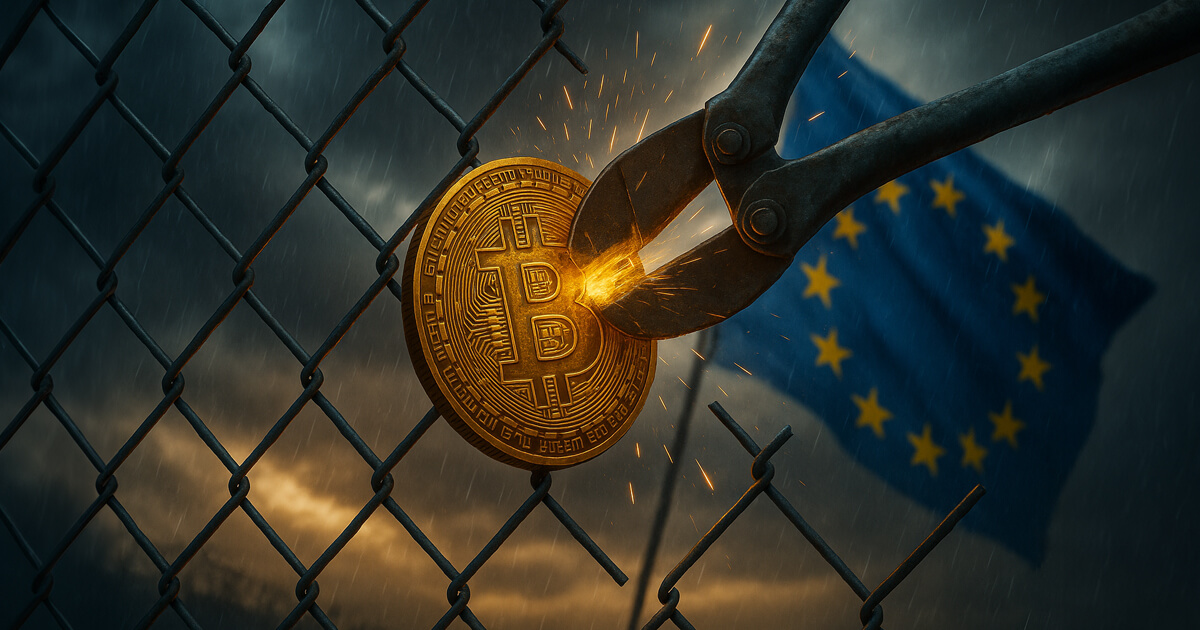
In recent months, European law enforcement agencies have ramped up efforts to regulate Bitcoin mixers. Following a series of coordinated operations, many mixers have been classified as high-risk, leading to increased scrutiny and enforcement actions. This shift has significant implications for the liquidity of Bitcoin in Europe.
The New Regulatory Framework
The European Union (EU) has established a strong regulatory framework aimed at combating money laundering and other financial crimes. Under the Anti-Money Laundering Regulation (AMLR) and the formation of the Anti-Money Laundering Authority (AMLA), mixers are now categorized as money-laundering infrastructure. This classification empowers agencies like Europol and national financial intelligence units to target these services when they’re suspected of handling illicit funds.
Enforcement Actions and Their Consequences
As part of their enforcement strategy, Europol has labeled mixers as “criminal facilitation services” when linked to activities like ransomware or darknet transactions. For instance, Operation “Cookie Monster” in 2023 saw coordinated actions targeting Hydra-linked services and mixer infrastructure. (CoinDesk)
How Are Mixers Targeted?
When law enforcement agencies set out to dismantle these mixers, they typically perform a series of steps. They obtain warrants, seize the servers, and gather forensic data linking transactions to user accounts. For example, during the takedown of Bestmixer.io in 2019, agencies confiscated hardware in multiple countries, preserving over 27,000 BTC worth of data for analysis. You might also enjoy our guide on Revolutionizing AI Training: AMD’s ZAYA1 Model Breakthrough.
Impact on Bitcoin Liquidity
The crackdown on mixers has a direct impact on Bitcoin liquidity in Europe. As these services face increased scrutiny, users who rely on mixers for privacy are forced to adapt. This often means moving their transactions to jurisdictions with less stringent compliance requirements. It’s not just about law enforcement; it’s about how users respond to a changing regulatory market.
Alternatives and the Shift in User Behavior
When centralized mixers are shut down, the liquidity doesn’t disappear; it simply relocates. Users may start working with alternative means to achieve the same privacy goals, such as switching to privacy-focused cryptocurrencies like Monero or making use of decentralized finance (DeFi) platforms.
Chain-Hopping and Other Tactics
Chain-hopping has become increasingly popular as users navigate around restrictions linked to mixers. For instance, a user might exchange Bitcoin for Monero, transfer funds across different chains, and then return to Bitcoin through a non-EU exchange. This behavior not only complicates the tracing of funds but also makes regulatory compliance more challenging for European exchanges.
Challenges for Users and Exchanges

As the regulatory environment evolves, exchanges must adapt to comply with new standards. This often leads to a more complex user experience. Users might find themselves facing delays or additional scrutiny for transactions that might not even involve illicit activity. False positives in risk assessments can impact legitimate users who engage in mixing for privacy reasons.
The Uneven Scene of Enforcement
Different EU member states are at varying levels of readiness when it comes to enforcing these regulations. Countries like Germany and the Netherlands have developed specialized cybercrime units, while smaller nations might rely more on support from Europol and AMLA. As AMLA begins supervising high-risk cross-border crypto activities, expect a more unified approach to compliance across the EU. For more tips, check out Anthropic Unveils Claude Haiku 4.5 AI Free for Users to Chal.
The Future of Bitcoin and Privacy
In the long run, the future of Bitcoin privacy could lean toward fragmentation. If Europe becomes a challenging environment for privacy-focused transactions, users may migrate to more accommodating jurisdictions elsewhere in the world. Countries in Asia, Latin America, or even the United States that haven’t yet implemented similar stringent regulations might become more attractive for those seeking privacy. (Bitcoin.org)
Conclusion: Navigating the New Field
The regulatory space for Bitcoin mixers and transactions is rapidly changing. While the intention is to reduce financial crime, the reality is that legitimate users of these services may face increased friction in their day-to-day transactions. As we move forward, it’s key for users to stay informed about these developments and adapt their strategies accordingly.
FAQs
1. what’s a Bitcoin mixer?
A Bitcoin mixer is a service that combines multiple transactions, making it difficult to trace the origin of funds. they’re often used for privacy purposes.
2. Why are mixers considered high-risk?
Mixers are flagged as high-risk due to their potential use in money laundering and other illicit activities, prompting regulatory scrutiny.
3. How has EU regulation affected Bitcoin liquidity?
Increased regulatory enforcement against mixers has led to shifts in Bitcoin liquidity, with users moving their transactions to less regulated jurisdictions.
4. What alternatives do users have if they can’t use mixers?
Users may turn to privacy-focused cryptocurrencies like Monero or make use of decentralized finance (DeFi) platforms to achieve similar privacy goals.
5. How can exchanges adapt to new regulations?
Exchanges can implement more precise compliance measures, including automated filters for transactions associated with mixers, to stay compliant with new regulations.
Similar Articles
You Might Also Like


