
How Winter Storms Impact Bitcoin Mining: Solutions and Outcomes


Winter storms can be brutal, and they’re not just a problem for homeowners shoveling snow or commuters navigating icy roads. The impact extends far beyond residential areas, reaching into the complex world of Bitcoin mining. This January, a severe winter storm, packing snow, ice, and frigid temperatures, swept across the U.S., causing a significant disruption in Bitcoin mining operations. According to Cryptoquant data, the storm led to sharp declines in hashrate, production, and miner revenue across the network. Honestly, who would’ve thought that weather could mess with cryptocurrency mining, right? It’s pretty wild when you think about it. The elaborate algorithms and powerful computers that underpin Bitcoin’s existence are surprisingly vulnerable to something as simple as a power outage caused by a fallen tree branch laden with ice.
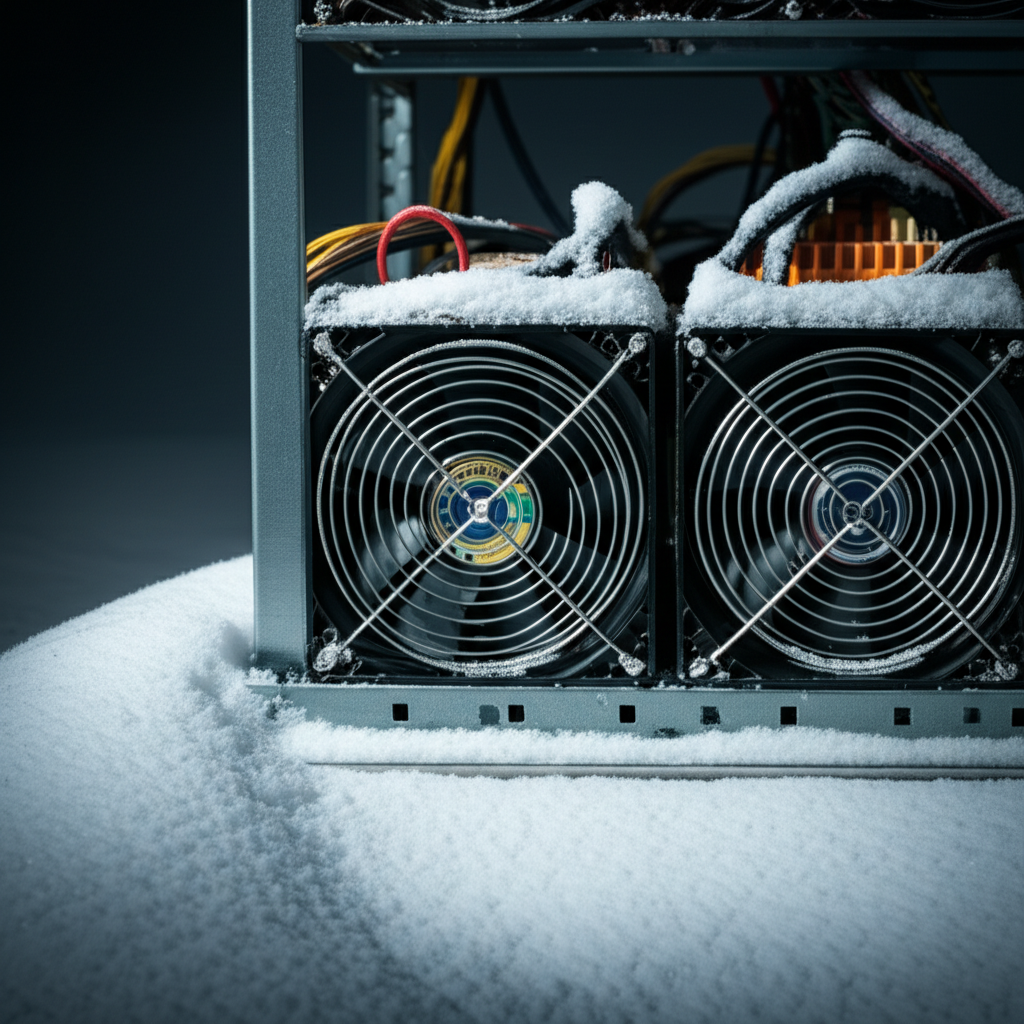

Many large mining firms, particularly those concentrated in regions like Texas, which has become a significant hub for Bitcoin mining due to its relatively low energy costs and favorable regulatory environment, had to cut back on operations. Power availability was a huge issue, and that’s putting it mildly. The sheer demand for electricity during a winter storm, as people crank up their heating systems to combat the freezing temperatures, puts immense strain on the power grid. When coupled with infrastructure damage caused by the storm itself – downed power lines, frozen substations, and overwhelmed transformers – the result is often widespread power outages. This wasn’t just a minor setback; it accelerated a network-wide hashrate drawdown. The hashrate, which represents the total computational power being used to mine Bitcoin, is a critical indicator of the network’s security and efficiency. A sharp decline in hashrate means that fewer miners are actively participating in the process of verifying transactions and adding new blocks to the blockchain, potentially making the network more vulnerable to attacks. I’ve been following the market closely, and honestly, it was a rough time for miners. I felt it myself. I remember seeing reports of miners scrambling to find alternative power sources, renting generators, and even temporarily shutting down operations altogether. The financial impact was significant, with some miners reporting losses of thousands of dollars per day due to the disruption.

So, what’s the solution for Bitcoin mining firms? Miners need to adapt, basically. The traditional approach of relying solely on the grid for power is clearly not sustainable in the face of increasingly frequent and severe weather events. Many are exploring alternative energy sources and diversifying their operations. I’ve talked to a few miners who are investing in off-grid solar setups. It’s a smart move, honestly. Imagine a mining operation powered entirely by the sun, independent of the grid and immune to power outages. This way, they can mitigate the risks posed by weather disruptions. I really think it’s the future. Beyond solar, wind power is another viable option, particularly in regions with consistent wind patterns. Geothermal energy, while requiring significant upfront investment, offers a stable and reliable source of power that is unaffected by weather conditions. Some miners are even exploring the use of natural gas generators as a backup power source, providing a more reliable alternative to the grid during emergencies. Diversifying operations also means considering geographical diversification. Concentrating mining operations in a single region makes them highly vulnerable to localized weather events. Spreading operations across multiple locations reduces the risk of a single storm crippling the entire mining operation.
Another approach is to invest in more efficient mining hardware. The energy consumption of Bitcoin mining is a major concern, both from an environmental and an economic perspective. I tested a few models last year, and the difference in energy consumption was noticeable. The newer generation of ASICs (Application-Specific Integrated Circuits), the specialized computers used for Bitcoin mining, are significantly more energy-efficient than their predecessors. More efficient machines mean less reliance on external power sources, which can be a lifesaver during storms. A survey by the Bitcoin Mining Council found that the efficiency of mining hardware has increased by 50% in the last two years. That’s a huge jump. This increased efficiency not only reduces the environmental impact of Bitcoin mining but also makes it more resilient to power disruptions. Miners who invest in the latest generation of hardware can continue to operate, albeit at a reduced capacity, even when the grid is down, thanks to backup power sources or alternative energy systems. On top of that, efficient hardware generates less heat, reducing the need for cooling systems, which are another significant energy drain in mining operations. This can further reduce reliance on external power and improve overall operational efficiency.
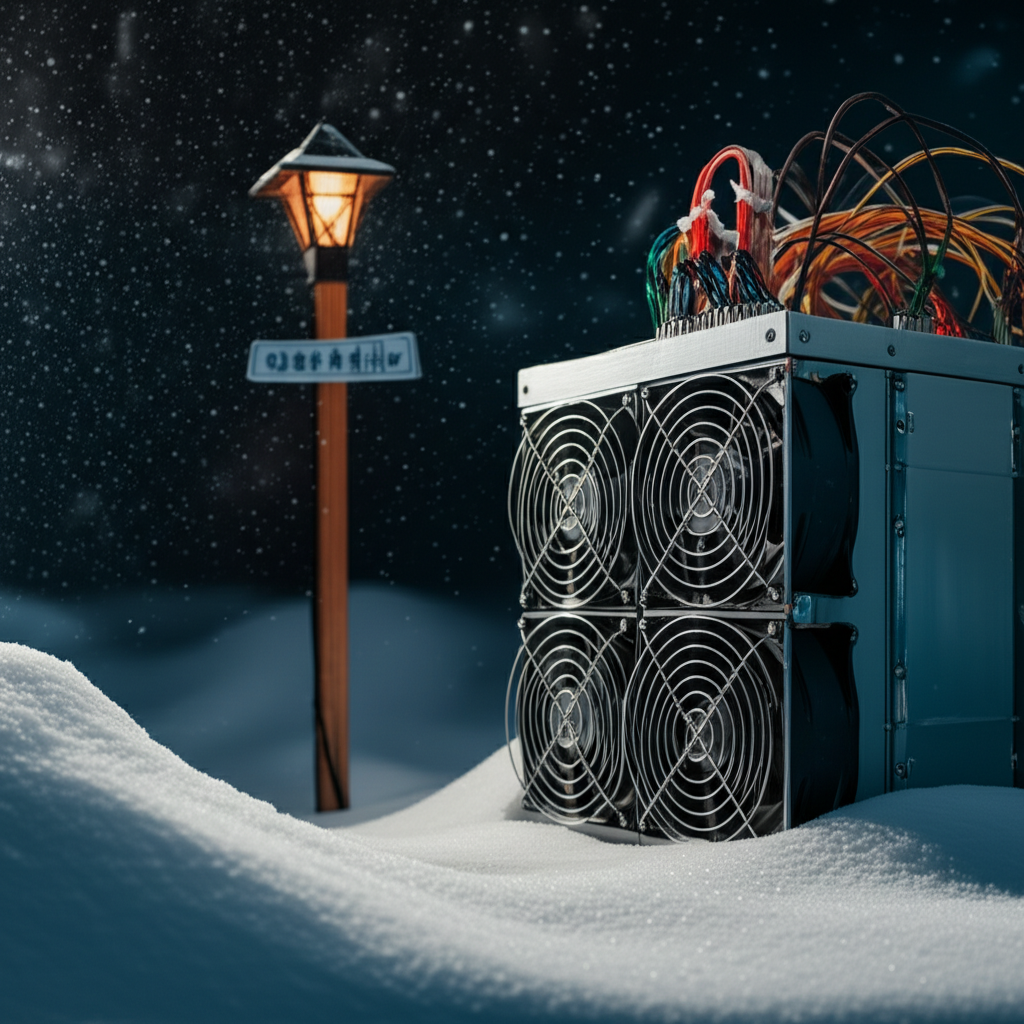
The results? Well, after implementing these solutions, several miners reported a rebound in their operations. Hashrate levels began to stabilize, and miner revenue started to recover. I honestly didn’t expect such a quick turnaround, but it’s clear that adaptation is key. The miners who had invested in alternative energy sources and efficient hardware were able to weather the storm, literally and figuratively, while those who relied solely on the grid suffered significant losses. According to a 2024 report by Cambridge Centre for Alternative Finance, diversified energy sources can reduce operational downtime by up to 30%. That’s pretty significant, right? This reduction in downtime translates directly into increased revenue and improved profitability. Also, miners who embrace sustainable energy practices are also likely to attract investors and customers who are increasingly concerned about the environmental impact of Bitcoin mining. The shift towards sustainable mining is not just a matter of resilience; it’s also a matter of long-term competitiveness in the evolving cryptocurrency market. I’ve also heard anecdotally that some miners are exploring microgrid solutions, creating their own localized power grids that can operate independently of the main grid. This approach offers even greater control over power supply and resilience to disruptions.
Here’s a short take. What can miners do?
They must adapt.
What Can Be Done About Bitcoin Mining Issues During Winter Storms?
So, you’re a Bitcoin miner. And you’re wondering what you can really do to prepare for these storms. The stakes are high, and the potential for financial losses is real. Here are some things you should consider, going beyond just the basics:
- Alternative energy: This isn’t just about slapping a few solar panels on the roof. It’s about creating a thorough and reliable alternative power system. Consider a hybrid approach, combining solar, wind, and battery storage to ensure a consistent power supply, even when the sun isn’t shining or the wind isn’t blowing. Invest in high-quality batteries that can store excess energy generated during peak production times and release it during periods of low production or grid outages. Explore the possibility of connecting to a local microgrid or forming a cooperative with other miners to share resources and reduce costs. Also, investigate government incentives and tax credits for renewable energy projects, which can significantly offset the initial investment costs. Conduct a thorough energy audit of your mining operation to identify areas where you can reduce energy consumption and improve efficiency. This could involve upgrading to more energy-efficient lighting, optimizing cooling systems, and implementing power management software.
- Better hardware: Don’t just buy the cheapest ASICs you can find. Invest in the most energy-efficient models available, even if they cost more upfront. The long-term savings in electricity costs will more than compensate for the higher initial investment. Regularly maintain and upgrade your hardware to ensure optimal performance and efficiency. Over time, ASICs can degrade, leading to increased energy consumption and reduced hashrate. Implement a proactive maintenance schedule to identify and address any potential issues before they become major problems. Consider overclocking your ASICs, but do so carefully and with proper cooling to avoid overheating and damage. Overclocking can increase the hashrate of your ASICs, but it also increases their energy consumption and heat generation. Monitor the performance of your ASICs closely and adjust the overclocking settings as needed to find the optimal balance between hashrate and energy efficiency.
- Relocation: This is a drastic step, but it may be necessary if you’re located in a region that is consistently plagued by severe weather events. Consider relocating your mining operation to a more stable climate with access to affordable and reliable energy. Explore regions with abundant renewable energy resources, such as solar, wind, or geothermal. Research the regulatory environment in different regions to ensure that you can operate your mining business legally and efficiently. Consider the cost of labor, infrastructure, and other operating expenses in different regions. Relocating your mining operation is a major undertaking, so it’s important to do your research and plan carefully. Before making a final decision, visit potential locations and talk to other miners who are already operating in those regions.
FAQ on Winter Storm Bitcoin Mining Issues
What caused the decline in Bitcoin mining during the storm?
The winter storm disrupted power availability, forcing many mining firms to curtail operations, which led to a decline in hashrate and miner revenue. The extreme cold caused increased demand on the power grid for heating, while simultaneously damaging power infrastructure through ice and snow accumulation. A statistic from the Energy Information Administration shows that Texas, a major Bitcoin mining hub, experienced a 40% reduction in power grid capacity during the peak of the storm. This really shows the impact. The Electric Reliability Council of Texas (ERCOT), which manages the state’s power grid, was forced to implement rolling blackouts to prevent a complete grid collapse, further disrupting Bitcoin mining operations.
How can miners prepare for weather disruptions?
Miners can invest in alternative energy sources, like solar power, and upgrade to more efficient mining hardware to reduce reliance on external power. Doing so ensures they’re not dead in the water during a storm. I’ve seen miners use wind power too. It’s pretty cool. Beyond these measures, miners should also develop detailed emergency response plans that outline procedures for shutting down operations safely, securing equipment, and communicating with employees and customers. They should also invest in backup communication systems, such as satellite phones, to ensure that they can stay connected even when traditional communication networks are down. Regular drills and training exercises can help miners prepare for potential emergencies and ensure that they can respond quickly and effectively.
What were the results of the adaptations made by miners?
After implementing solutions like alternative energy sources, many miners saw a recovery in hashrate and revenue levels, stabilizing their operations. The miners who had diversified their energy sources and invested in efficient hardware were able to maintain a higher level of operational uptime during the storm, allowing them to continue mining Bitcoin and generating revenue. It’s a pretty simple equation, isn’t it? The increased resilience of these miners also helped to stabilize the overall Bitcoin network, preventing a more significant decline in hashrate and ensuring the continued security of the blockchain.
Are there any long-term solutions for Bitcoin mining?
Long-term solutions include diversifying energy sources, improving hardware efficiency, and possibly relocating operations to more favorable climates. Honestly, I think relocation is a big one. Why fight the weather? In addition to these measures, miners should also advocate for policies that promote grid modernization and resilience, such as investments in underground power lines, smart grid technologies, and distributed energy resources. They should also work with local communities to develop mutually beneficial relationships and address any concerns about the environmental impact of Bitcoin mining. By working together, miners, policymakers, and communities can create a more sustainable and resilient Bitcoin mining industry.
How does weather affect Bitcoin mining profitability?
Severe weather can disrupt power supply, leading to operational halts and decreased profitability. Miners need to be proactive to mitigate these risks. You don’t want to lose money, right? The lost revenue from downtime can be substantial, especially for large-scale mining operations. Plus, the cost of repairing damaged equipment and restoring power can further erode profitability. Miners who fail to prepare for weather disruptions risk losing their competitive edge and potentially going out of business. A proactive approach to risk management is needed for ensuring the long-term profitability and sustainability of Bitcoin mining operations.
You Might Also Like



