
Bitcoin Faces Volatility Amidst Trump’s Tariff Threats on Europe
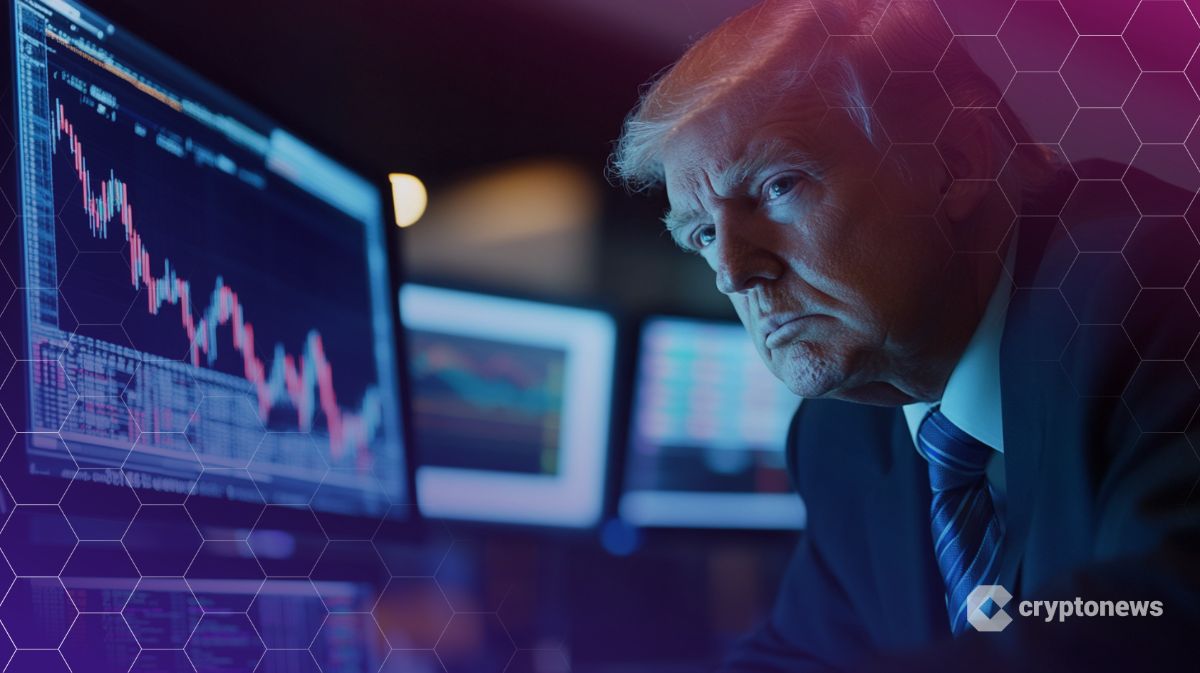

Bitcoin’s Response to New Tariffs
As the geopolitical market shifts, Bitcoin is once again in a precarious position. With President Donald Trump announcing 25% tariffs on several European countries, Bitcoin’s future seems uncertain. The tariffs, aimed at Denmark and its allies, have reignited volatility reminiscent of previous market shocks. This situation raises the question: how will Bitcoin react to these developments?
Recent Tariff Announcements

On January 17, 2026, President Trump took to social media to declare an aggressive tariff strategy targeting eight European nations, including Denmark, Norway, and Sweden. The tariffs will start at 10% and escalate to 25% by June unless Denmark agrees to sell Greenland to the U.S. This move has sparked outrage across Europe, leading to urgent diplomatic meetings and heated responses from various leaders.
The implications of these tariffs extend beyond immediate economic concerns. They also signal a shifting dynamic in U.S.-European relations, which have been historically rooted in cooperation and mutual respect. The potential for escalating trade tensions could create a ripple effect, impacting not just tariffs but also investments and partnerships that have long been seen as stable. Investors are keenly aware that such changes can lead to broader market instability, and Bitcoin, being a speculative asset, often reacts sharply to geopolitical uncertainties.
EU Leaders Respond
The announcement prompted swift reactions from European leaders. UK Prime Minister Keir Starmer criticized the tariffs, calling them “completely wrong.” French President Emmanuel Macron expressed a strong stance against intimidation, emphasizing the importance of national sovereignty. Similar sentiments were echoed by leaders from Sweden, Finland, and Norway, all advocating for dialogue instead of pressure.
Swedish Prime Minister Ulf Kristersson stated, “We won’t let ourselves be blackmailed,” while Norway’s Prime Minister Jonas Gahr Støre remarked that threats should have no place among allies. Even Nigel Farage, a known Trump supporter, voiced his disagreement, noting that these tariffs would ultimately hurt the UK. The united front displayed by these leaders underscores the potential for a significant backlash against U.S. policy, which could further complicate economic interactions and foster a climate of uncertainty.
Impacts on Bitcoin and Crypto Markets
Bitcoin has been trading around $95,000, showing some resistance but remaining vulnerable to external pressures. Following Trump’s announcement, analysts predict renewed volatility. The digital currency’s stability is now threatened as investors weigh the potential fallout from these tariffs.
Market expert Ki Young Ju suggests that Bitcoin may remain stagnant in the coming months, as the lack of capital inflows and diverse liquidity channels have made it increasingly difficult to predict market movements. “Money has rotated to stocks and shiny rocks,” Ju stated, highlighting the shifting investment world. This rotation reflects a broader trend where traditional investments are perceived as safer compared to the unpredictable nature of cryptocurrency markets during turbulent political times.
Plus, the current sentiment surrounding Bitcoin is compounded by concerns over regulatory frameworks. As governments worldwide grapple with how to manage and regulate digital currencies, uncertainty looms large. Investors are particularly wary of potential regulations that could impact not just Bitcoin but the entire cryptocurrency ecosystem. This apprehension can lead to reduced trading volumes and increased price volatility, making it key for stakeholders to stay informed about legislative developments.

Geopolitical Tensions and Financial Markets
The recent tariff threats come at a time when global markets are still reeling from the effects of previous tariff wars. In October 2025, Trump’s tariffs on Chinese imports wiped out over $19 billion in leveraged positions in a single day, causing Bitcoin to plummet below $105,000.
The Precedent of October 2025
That turmoil saw a staggering 1.6 million traders liquidated, with many holding long positions. Open interest in Bitcoin futures fell sharply, creating a wave of fear that now looms over the current market. With these new tariffs targeting U.S. allies rather than adversaries, the uncertainty surrounding transatlantic relations has grown.
In light of the current situation, analysts are cautious. Bitcoin’s stability hangs in the balance as political dynamics complicate the financial space. We’re likely to see increased volatility similar to that of the previous year, with traders bracing for potential market shifts. The ripple effects of these tariffs could lead to a reassessment of risk across asset classes, further impacting Bitcoin’s price and stability.
Looking Ahead: What’s Next for Bitcoin?
Bitcoin’s trajectory now hinges on multiple factors, including geopolitical developments, investor sentiment, and potential legal challenges surrounding the tariffs. Chief Investment Officer John Glover suggests that Bitcoin may be in Wave IV of its bull cycle, with predictions of price targets between $71,000 and $84,000.
Key Price Levels to Watch
- If Bitcoin breaks and closes above $104,000, it could signal the start of Wave V, marking a positive shift.
- Conversely, a drop below $80,000 may necessitate a retreat to the low $70,000 range before any upward movement can begin.
Conclusion
As Bitcoin navigates these turbulent waters, investors must remain vigilant. The combination of Trump’s tariff threats, geopolitical tensions, and market sentiment will undoubtedly shape Bitcoin’s immediate future. Staying informed and adaptable is key for anyone looking to invest in this ever-evolving world. Engaging with market trends and understanding the broader economic context will be vital for making informed decisions in the coming months.
You Might Also Like


