
The Surprising Success of Solo Bitcoin Miners in 2026
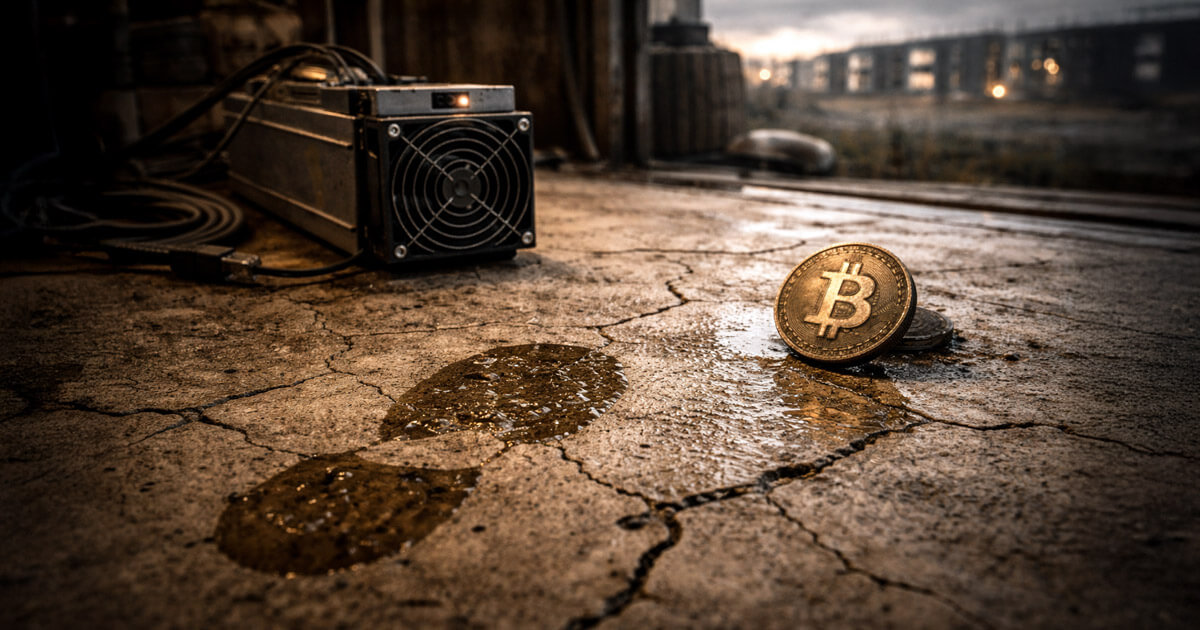

Introduction to Solo Bitcoin Mining
Solo Bitcoin mining is a fascinating aspect of the cryptocurrency world. As of early January 2026, a single miner managed to secure a full block reward of 3.125 BTC, which translates to a payout nearing $300,000. This remarkable achievement stands out in a field where most mining efforts are dominated by large-scale operations with immense computational power. Despite the odds, solo miners continue to find success, and below, we’ll explore how this phenomenon occurs.
The Odds of Solo Mining

Bitcoin operates on a network with a staggering hashrate of about 1,024 exahashes per second. This means that there are approximately 1.024 billion terahashes competing to solve each block. For a solo miner using a standard 6 TH/s ASIC, the chances of successfully mining a block are around 1 in 170 million. If you’re looking at expected wait times, it can exceed 3,000 years!
Understanding the Mathematics
The math behind Bitcoin mining can seem brutal. Although the odds may be heavily stacked against hobbyist miners, probability works independently of expectations. Every block attempt is a unique event, which means that a miner might find success despite the odds. In fact, data from solo mining trackers reveals that 22 verified solo blocks were mined in the last year alone, with an average interval of about 15.6 days between wins.
Methods and Services for Solo Mining
Most solo miners benefit from services like Solo CKPool, which speed up the process of competing for block rewards. CKPool is designed not as a traditional mining pool but as a coordination service where each miner’s hashrate competes independently for the entire block payout. If you’re curious about how these setups work, they provide an interesting look into the mechanics of solo mining.
The Role of Solo CKPool
When a miner connected to Solo CKPool finds a valid block, the payout goes directly to that miner’s address, minus a small service fee of around 2%. This has attracted over 20,000 users, collectively contributing to approximately 188 petahashes of hashrate. (CoinDesk)
Alternative Approaches
Beyond CKPool, miners can explore self-hosted solutions like Public Pool, or they can set up their own solo infrastructure. For those who prefer to cut out any service fees, running their own node using software from the Umbrel ecosystem can be a valid option. However, this does require more technical know-how. You might also enjoy our guide on Reviving Bitcoin Treasury Companies: What Needs to Happen?.
The Reality of Probability and Wait Times
It’s needed to grasp that while the expected wait times for finding a block can be discouraging, they don’t fully reflect the reality of solo mining. For instance, the probability of finding a block at 6 TH/s is still non-zero, sitting at around 0.0308% over a year. This leads to a few lucky miners hitting the jackpot regularly, even if the odds appear daunting.
Spotting Trends in Solo Mining Success
Analysis from recent months indicates a consistent pattern of successful solo block discoveries. Block 920,440, for example, was mined on October 23, 2025, yielding over 3.125 BTC. Another notable occurrence happened on November 23, 2025, when a miner with just 6 TH/s successfully mined a block through CKPool, despite the odds being stacked against them.
Why Do Miners Continue to Solo Mine?
Although the economic incentives for solo mining may seem weak—particularly when compared to pool mining—there’s still a dedicated subset of miners who thrive on the thrill of potentially winning a whole block. Many hobbyists engage in mining not purely for profit, but for the enjoyment and excitement it brings.

The Psychological Appeal
The allure of possibly winning a full block reward can outweigh the certainty of receiving nothing through pool mining. For some, solo mining acts as a lottery ticket, even if it’s an economically irrational choice. This psychological factor keeps many individuals engaged in solo mining.
Technical Advancements Lowering Barriers
With advancements in mining infrastructure, technical barriers have significantly lowered over the past several years. In 2015, operating a solo mining rig required a full Bitcoin node and Stratum software configuration—tasks that could be daunting for many. Today, services like CKPool have streamlined the process, making it more accessible for miners. For more tips, check out How to Build an Atomic-Agents RAG Pipeline with Typed Schema.
Conclusion
In summary, the world of solo Bitcoin mining isn’t just a tale of long odds and slim victories. It’s a testament to the resilience and passion of individual miners who continue to engage in what many might see as a daunting venture. With the odds against them, they persist, buoyed by the allure of the potential rewards and the enjoyment of the process. (Bitcoin.org)
FAQs
what’s solo Bitcoin mining?
Solo Bitcoin mining is when an individual miner attempts to mine blocks on their own without pooling resources with others. They aim for the entire block reward if successful.
How often do solo miners win blocks?
While the frequency can vary, data shows that solo miners have won 22 blocks over the past year, averaging about one win every 15.6 days.
What are the odds of successfully mining a block solo?
The odds depend on the miner’s hashrate. For a 6 TH/s miner, the probability is approximately 1 in 170 million per block.
Can I make a profit from solo mining?
While it’s possible to win large rewards, the unpredictability of solo mining means it might not provide steady income compared to pool mining.
What resources are available for solo mining?
Popular options include Solo CKPool for coordination, as well as self-hosting solutions like Public Pool in the Umbrel ecosystem. These tools help simplify the solo mining process.
Similar Articles
You Might Also Like


