
How Bitcoin Mining is Shaping Energy Use and Urban Development
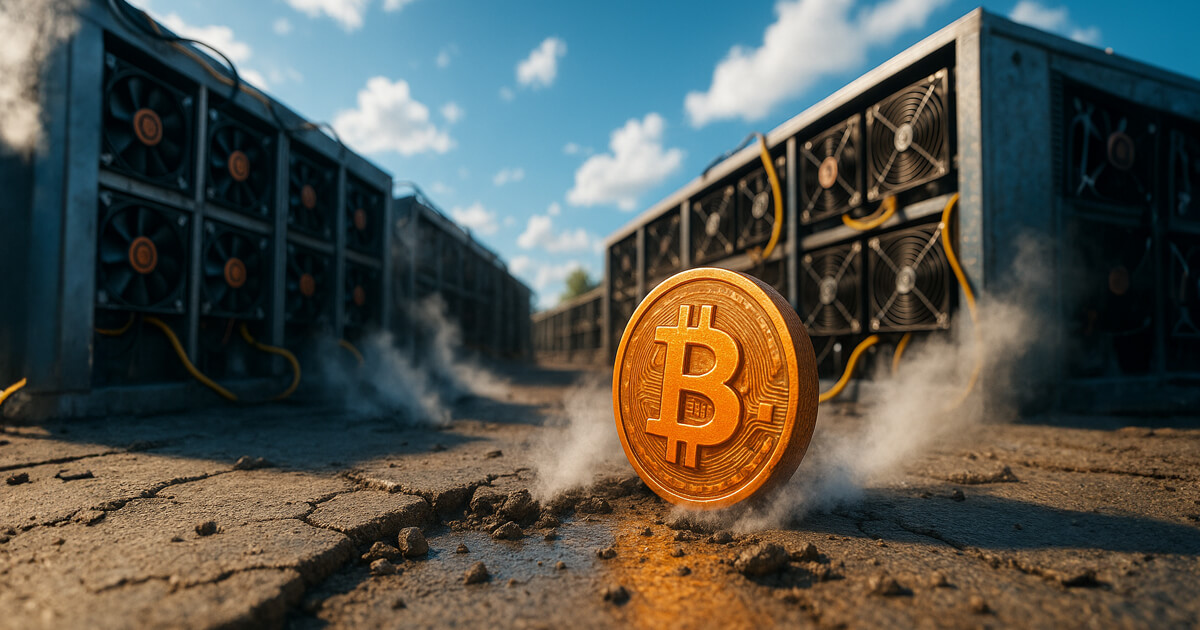

The Shift in Urban Development Due to Bitcoin Mining
Bitcoin mining is significantly altering where cities and data centers are established. Instead of focusing on cheap labor and logistical efficiency, Bitcoin miners are interested in a different question: where can they find the cheapest wasted energy?
As computing power is becoming increasingly portable, the market of industrial location is changing. Unlike traditional industries that needed labor and shipping, Bitcoin mining operations require minimal staff and infrastructure. This shift allows miners to tap into energy sources that would otherwise go to waste, which conventional factories ignore.

The New Paradigm for Energy Utilization
Bitcoin isn’t the first industry to seek out cheap energy, but it’s unique in its ability to prioritize energy availability over labor. Miners merely need a warehouse, some ASIC miners, and an internet connection to get started. This setup allows them to work with energy that’s stranded or curtailed, optimizing their operations based on real-time changes in energy pricing or policy.
Energy Curtailment as an Opportunity
In 2023, California’s Independent System Operator (CAISO) curtailed approximately 3.4 terawatt-hours of solar and wind energy, a 30% increase from the previous year. This curtailment often happens when energy generation exceeds demand, leading to negative pricing scenarios where energy producers pay the grid to take excess power.
- Miners like Soluna are seizing this opportunity, establishing data centers at renewable energy sites to absorb surplus power.
- Riot Blockchain generated around $71 million in power credits in 2023 by agreeing to curtail their operations during peak demand periods.
Flexible Mining Operations
As the dynamics of Bitcoin mining change, so have the locations where miners choose to operate. Historically, miners moved with seasonal changes in energy availability; however, recent crackdowns in China have pushed many operations to relocate globally. Currently, U.S. mining pools account for over 41% of all Bitcoin blocks mined, showcasing the industry’s shift in focus. You might also enjoy our guide on Today’s Crypto Highlights: Legal Battles and Grayscale Updat.
Mobility and Location
Modern Bitcoin miners are known for their ability to relocate quickly, capitalizing on favorable conditions wherever they arise. For example, miners flock to areas with abundant renewable energy sources and lower transmission constraints. (CoinDesk)
- In places like Texas and the Southeast, energy curtailment due to overproduction of renewables is driving down power prices.
- Innovative companies like Crusoe Energy are bringing modular generators to remote sites to capitalize on stranded energy sources.
Bitcoin Mining as a Demand-Response Resource
Mining facilities are now being recognized as controllable load resources (CLRs). They can be ramped down almost instantaneously to help stabilize the grid when energy prices spike. The appeal lies in their ability to act as a buffer for the grid, absorbing more renewable energy without the need for extensive infrastructure buildouts.
Emerging Partnerships and Initiatives
Various initiatives are underway that highlight the growing relationship between Bitcoin mining and renewable energy. For example, Bhutan’s sovereign wealth fund is investing in 100 MW of hydropower-backed mining operations, while El Salvador’s proposed Bitcoin City aims to use geothermal energy for crypto mining.
The Future of Bitcoin Mining

Looking ahead, we may see a future where clusters of energy production, data processing, and minimal human workforce become the norm. In places where energy is cheap or stranded, Bitcoin miners can set up operations without the complexities of labor-intensive industries.
Economic and Environmental Impact
While Bitcoin mining creates fewer jobs relative to its energy consumption, it can also contribute positively to local economies by using waste energy and producing clean coins. For instance, MintGreen in British Columbia pipes heat generated from mining into a district heating network, demonstrating the potential for waste heat to be repurposed efficiently. For more tips, check out Bitcoin’s Recent Rally: Are Altcoins Next in Line for a Down.
Conclusion
Bitcoin mining is reshaping the way we think about urban development and energy consumption. By focusing on energy availability rather than labor or logistics, miners are redefining how industries can operate in a more energy-efficient manner. As this trend continues, we can expect to see more innovative approaches to balancing energy demand and environmental sustainability. (Bitcoin.org)
FAQs about Bitcoin Mining and Energy Use
1. How does Bitcoin mining affect energy prices?
Bitcoin mining can create demand for surplus energy, often leading to lower prices or negative pricing scenarios, particularly when energy generation exceeds demand.
2. what’s energy curtailment?
Energy curtailment occurs when energy production outpaces demand, forcing energy producers to reduce their output or even pay the grid to take excess energy.
3. Can Bitcoin mining contribute to renewable energy use?
Yes, Bitcoin mining can incentivize the development of renewable energy sources by absorbing excess energy that would otherwise go unused, thus supporting grid stability.
4. Where are Bitcoin miners currently located?
Miners have concentrated in areas like Texas and the Southeastern U.S., where renewable energy sources and favorable policies create attractive conditions for mining operations.
5. What are the environmental implications of Bitcoin mining?
While Bitcoin mining has environmental concerns due to energy consumption, it can also promote renewable energy use and waste heat repurposing, contributing to more sustainable practices.
Related Reading: How Bitcoin Mining Can Cut Your Energy Costs: The New Energy Market Dynamics, The Potential of Greenland as a Bitcoin Mining Hub: Exploring Energy Possibilities
You Might Also Like



