
Why Your Crypto Wallet is Essential for Digital Identity

Understanding the Role of Crypto Wallets
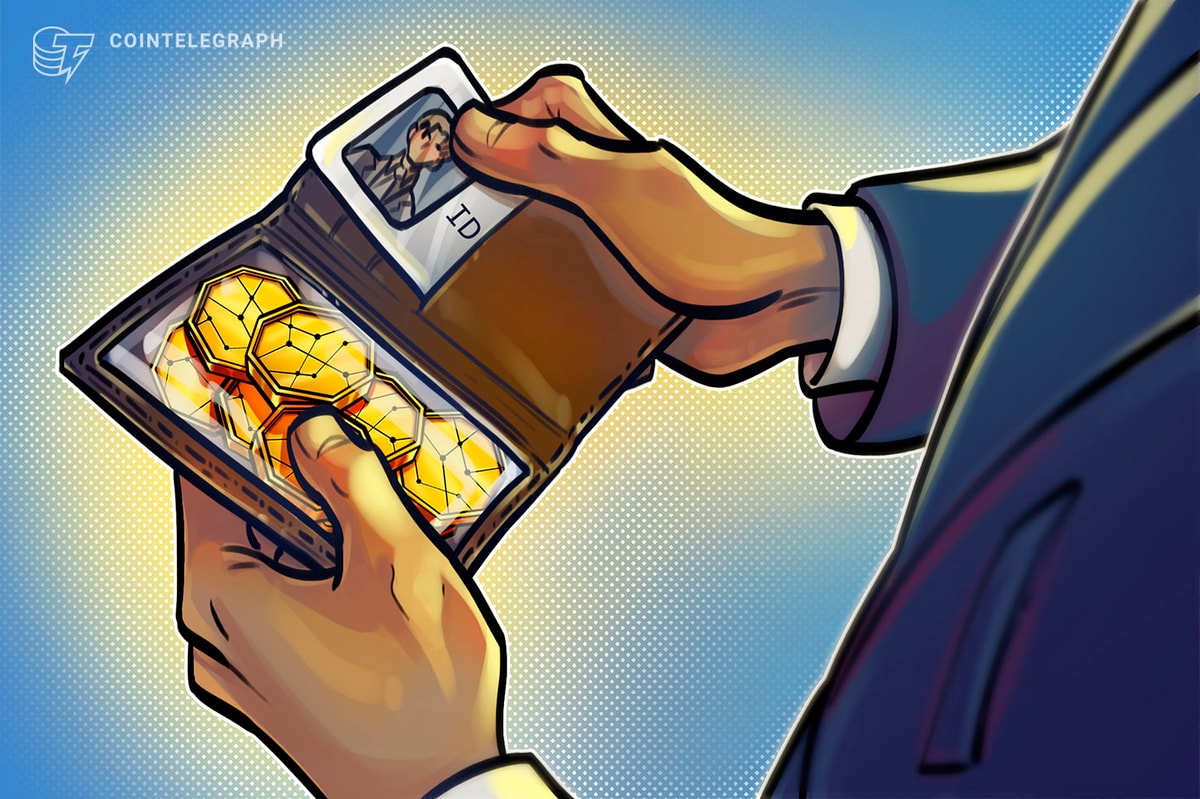
Your crypto wallet is far more than just a storage space for digital currencies. It’s becoming your ticket to navigating the evolving digital market. In simple terms, a crypto wallet serves as your digital identity, payment gateway, and access point for various online services.
The Shift Towards Digital Identity

The world is rapidly transitioning to a digital-first approach, where traditional notions of identity and payments are merging. Digital wallets are at the forefront of this change, allowing you to manage your identity, funds, and access services all in one place.
In Europe, for instance, regulations like the Digital Identity Wallet Regulation are making it easier for citizens to store important documents such as national IDs and driver’s licenses right on their smartphones. This means you won’t need to carry physical copies anymore, which is a significant step toward digital freedom.
Wallets as Payment Solutions
Did you know that there are over 560 million cryptocurrency owners worldwide? According to Triple A, this number is growing every day. Digital wallets aren’t just safe havens for your assets; they’re also efficient payment gateways. They allow users to send and receive money across borders while maintaining privacy.
The Evolution of Wallets
Gone are the days when wallets simply held cryptocurrencies. Nowadays, they’re evolving into in-depth tools for financial transactions. Imagine having a wallet that can support both cryptocurrencies and state-issued IDs. This is now possible, thanks to innovations like the Ethereum Name Service, which allows you to use human-readable addresses instead of complex wallet IDs.
Wallets as Identity Hubs
Crypto wallets are transforming into secure hubs for personal identity verification. Instead of relying on third-party systems that could expose your data, users can now manage their digital identities directly from their wallets. This includes everything from government IDs to educational credentials. (CoinDesk)
Countries like Germany, France, and Poland are already implementing pilot programs for digital identity verification, allowing users to authenticate their identity using credentials stored securely in their mobile wallets. You might also enjoy our guide on Tether Bolsters Reserves with $1 Billion Bitcoin Acquisition.
Technological Advances in Wallet Security
New technologies are making it possible to verify personal attributes like age or residency without revealing additional personal information. Techniques such as zero-knowledge proofs allow for this kind of secure verification, making it easier for you to prove your identity without risking your privacy.
Digital Wallets and Financial Freedom
Mobile crypto wallets aren’t just about identity; they’re also providing unprecedented financial tools. With the recent surge of over 36 million active crypto wallet users, the interest in self-custodied payments is at an all-time high. This means more people are recognizing the value of having control over their assets.
The Advantages of Using Crypto Wallets
- Reduced Fees: Unlike traditional financial systems, crypto wallets often have lower transaction fees.
- Speed: Transactions are processed much faster, making it easier for you to participate in on-chain commerce.
- Privacy: You don’t have to expose your personal information to complete transactions.
- Flexibility: Support for various cryptocurrencies, stablecoins, and tokenized assets means you can manage everything in one place.
Wallets as Access Keys

Beyond financial transactions and identity verification, digital wallets are becoming necessary for accessing a variety of online experiences. They serve as authentication layers that allow users to prove ownership of assets and gain entry into exclusive communities.
Interoperability in Action
What makes these wallets even more appealing is their interoperability. A single wallet can interact with numerous decentralized applications (DApps), providing a effortless experience across platforms. This means you can engage in different ecosystems without needing multiple identities.
The Future of Digital Wallets
As technology continues to evolve, so does the role of crypto wallets. They’re no longer just a place to store assets; they’re becoming the cornerstone of digital freedom. Just like a physical passport enables global movement, your digital wallet is now your key to online identity and mobility. For more tips, check out Imbue Secures $200 Million to Innovate AI Agents.
Trust, security, and user-friendliness are the guiding principles for wallet development, paving the way for mass adoption. The future won’t ask for usernames or emails; it’ll simply require your digital signature. (Bitcoin.org)
Conclusion
The transformation of crypto wallets from mere storage units to in-depth digital identity solutions is profound. As we navigate this new digital age, your crypto wallet will play a key role in how you manage your identity, interact financially, and access online services.
FAQs
1. What can I store in a crypto wallet?
You can store cryptocurrencies, digital assets, and various forms of identification, such as government IDs and educational credentials.
2. How do crypto wallets ensure security?
Most wallets use advanced security features like two-factor authentication, encryption, and zero-knowledge proofs to protect user data.
3. Are crypto wallets user-friendly?
Yes, many wallets are designed to be intuitive, making it easy for both beginners and experienced users to navigate.
4. Can I use my wallet for transactions?
Absolutely! Crypto wallets are built for transactions, allowing you to send and receive payments quickly and securely.
5. what’s the future of digital wallets?
The future points towards greater integration of wallets into everyday services, emphasizing privacy, security, and user empowerment.
You Might Also Like


