
How Cryptocurrency Transformed Venezuela’s Economy

Understanding Cryptocurrency’s Role in Venezuela
Cryptocurrency, especially stablecoins like USDT, has become a cornerstone of daily transactions in Venezuela, where traditional currency struggles to maintain value. High inflation rates, currently at around 229%, have driven both consumers and merchants to turn to digital currencies for stability and ease of transactions. This situation has prompted a significant shift in the financial habits of Venezuelans, leading to a greater acceptance of digital assets as viable alternatives to fiat currency.
The Rise of USDT in Venezuela

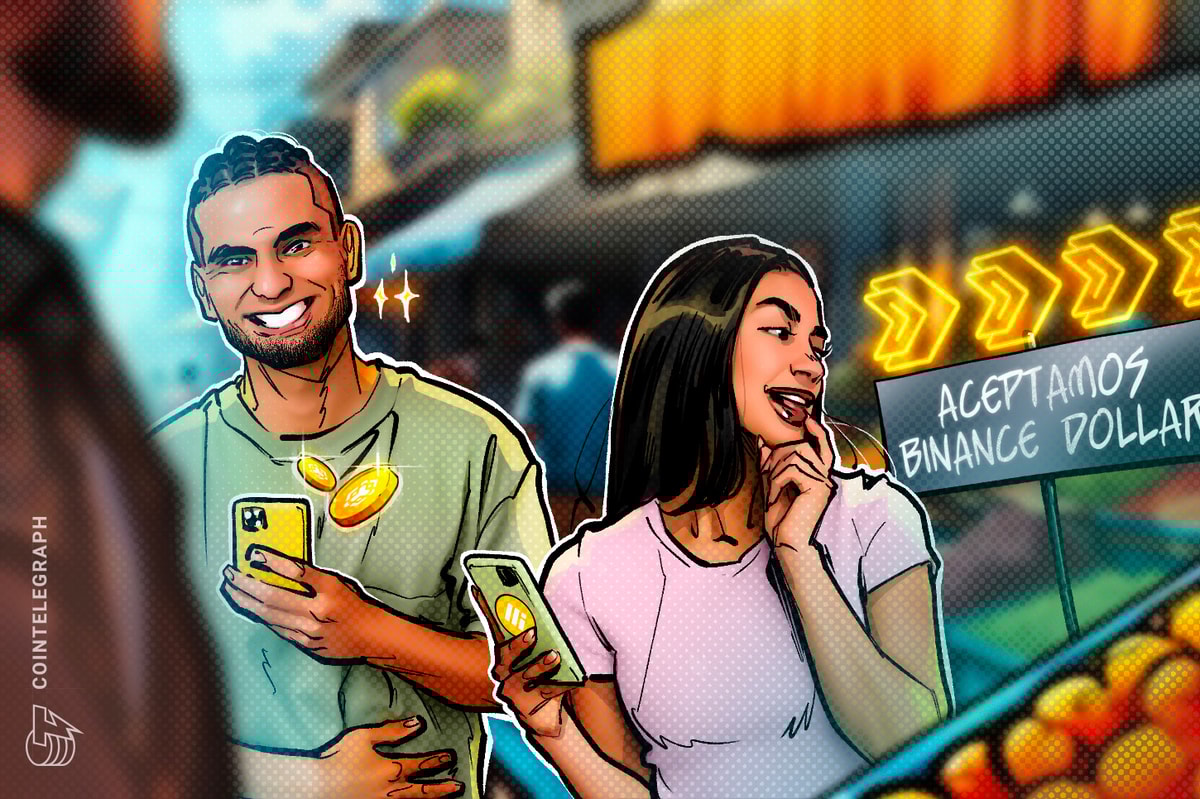
With the Venezuelan bolívar losing value rapidly, people have started to use USDT, often referred to as “Binance dollars,” for everyday purchases. This shift happened due to several factors:
- Severe Inflation: The bolívar’s worth has plummeted, making it impractical to set prices in local currency.
- P2P Transactions: Most transactions are now based on peer-to-peer rates, primarily through platforms like Binance.
- Government Tolerance: While officially unrecognized, the use of cryptocurrencies backed by the dollar is tolerated, allowing trade to continue.
What Does “Binance Dollars” Mean?
In Venezuela, “Binance dollars” refers specifically to USDT traded on peer-to-peer markets, with Binance P2P being the most popular platform. Merchants and individuals rely on this P2P rate for pricing and payment processes. It serves both as a benchmark and as a payment infrastructure in a country where physical cash is scarce. The term has become synonymous with the financial lifeline that many Venezuelans depend upon, representing not only a means of transaction but also an understanding of the necessity to adapt to the ongoing economic challenges.
How the Payment Process Works
When you make a purchase in Venezuela, items are typically priced in USD but settled in USDT. The process usually goes like this:
- The merchant checks the current P2P rate on their device.
- You scan a QR code that leads to the merchant’s Tron wallet.
- The transaction goes through quickly, usually with minimal fees.
This method has become must-have for daily transactions, providing a stable way to conduct business. The speed and efficiency of these transactions are critical in an environment where consumers are constantly facing the threat of devaluation. As a result, both buyers and sellers are motivated to adopt this method to safeguard their financial interests. (CoinDesk)
Everyday Uses of USDT
People use USDT for various purposes in Venezuela: You might also enjoy our guide on AI-Powered Cyber Espionage: The New Frontier in Cybersecurit.
- Household Expenses: Families use USDT to pay for groceries, rent, and utilities.
- Business Operations: Small businesses often manage their accounts in USD, converting to local currency for payroll and taxes.
- Remittances: With millions of Venezuelans living abroad, remittances back home are often sent in USDT, easing cost and access issues.
On top of that, USDT is increasingly being used for online services and international purchases, allowing Venezuelans to access goods and services that were previously out of reach due to currency restrictions. This expansion into e-commerce highlights a growing trend where digital currencies aren’t just a temporary solution but are becoming integrated into the broader economic framework of the country.
Challenges and Risks Involved
While using USDT offers many advantages, it also comes with challenges:
- Price Fluctuations: The P2P rates can change rapidly, making timely transactions important to avoid discrepancies.
- Security Risks: Theft and loss of device access are common concerns, prompting users to adopt safety measures like PINs and backup protocols.
- Regulatory Uncertainty: The Venezuelan government still has strict regulations surrounding currency, making the use of cryptocurrencies a gray area.
How Users Alleviate These Issues
Many Venezuelans have developed strategies to mitigate risks associated with using cryptocurrencies:

- Keeping timestamps on invoices to ensure timely transactions.
- Working with wallets with additional security features.
- Regularly monitoring changes in government policies affecting crypto use.
Plus, community awareness and education about the best practices for using cryptocurrencies have become vital. Many users share their experiences and strategies through social media and local forums, creating a support network that empowers individuals to navigate the complexities of the cryptocurrency market safely.
The Future of Cryptocurrency in Venezuela
As more people turn to USDT for their daily transactions, the world of the Venezuelan economy is changing. Instead of relying solely on cash, residents are embracing digital currencies for their inherent advantages: For more tips, check out Introducing Aardvark: OpenAI’s Innovative Security Agent for.
- Accessibility and Convenience.
- Low fees associated with transactions.
- Immediate settlement of payments.
This trend reflects a broader regional shift, where countries experiencing economic instability are increasingly adopting stablecoins to anchor their economies. It also raises questions about the future of official currency regulations and how governments will adapt. As digital wallets and transactions become more commonplace, we may see further innovations that could enhance the usability and acceptance of cryptocurrencies across various sectors. (Bitcoin.org)
Conclusion
In summary, cryptocurrency has fundamentally altered the payment space in Venezuela. With the country’s economic struggles, people have found refuge in stablecoins like USDT, which provide a means of preserving value and facilitating transactions. Whether this trend will continue or face further challenges remains to be seen, but for now, digital currencies are a vital part of daily life in Venezuela. The increasing reliance on these digital assets could also set a precedent for other nations facing similar economic hardships, showcasing the potential for cryptocurrencies to reshape financial systems worldwide.
FAQs
what’s USDT?
USDT, or Tether, is a type of stablecoin that’s pegged to the US dollar, offering a more stable alternative to other cryptocurrencies.
Why do Venezuelans prefer USDT over cash?
Due to hyperinflation, the bolívar has lost its value, making USDT a more reliable option for transactions.
How is digital currency transferred in Venezuela?
Most transactions are conducted using Tron (TRC-20), allowing for quick and low-cost transfers.
What risks are associated with using cryptocurrency in Venezuela?
Potential risks include price volatility, theft, and regulatory uncertainty.
Is USDT legal in Venezuela?
While the government hasn’t formally legalized it, they’ve tolerated its use in private exchanges, allowing for its integration into the economy.
Worth Checking Out


