
The Impact of AI on the Memory Market: Micron’s Strategic Shift

Introduction
Artificial Intelligence (AI) is reshaping the technology field, particularly in the semiconductor sector. A recent example of this is Micron Technology’s decision to exit the consumer memory market, which highlights the increasing demand for memory driven by AI applications. In this guide, we’ll explore Micron’s history, the economic factors behind this shift, and its implications for both consumers and the broader industry.
The Origins of Micron Technology

Micron Technology, founded in 1978 by four engineers in a dental office basement in Boise, Idaho, has grown into one of America’s leading semiconductor companies. Initially starting as a design consultancy, it was supported by local investors like potato tycoon J.R. Simplot. In just a few years, Micron made a significant technological leap by producing DRAM chips that were smaller than those offered by Japanese competitors.
Understanding Micron’s Recent Decision
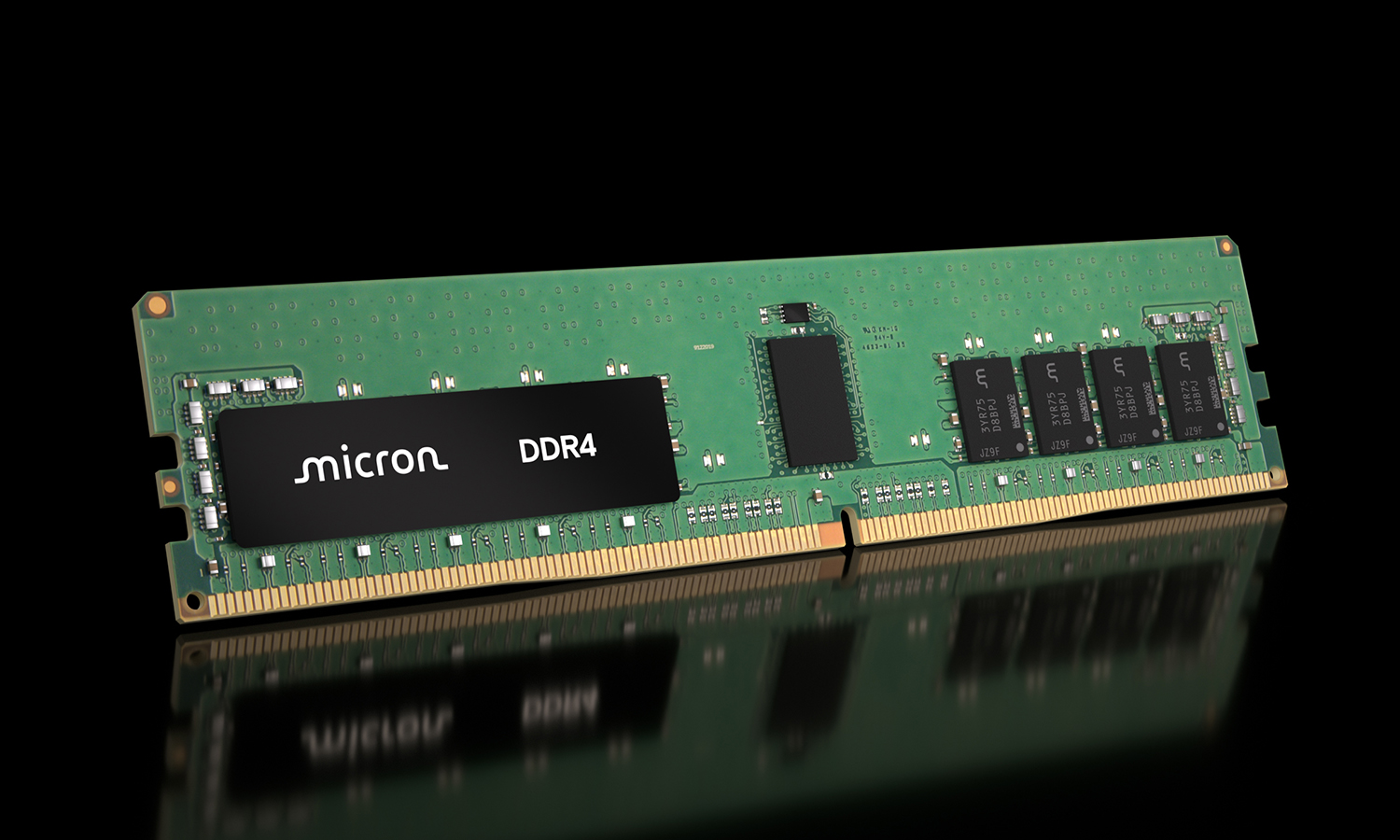
On December 3, 2025, Micron announced a key decision to withdraw from the consumer memory market, thereby discontinuing its Key brand by February 2026. According to Sumit Sadana, Micron’s Executive Vice President and Chief Business Officer, this move is a response to the surging demand for memory from AI-driven data centers. Micron’s strategy is to focus on fulfilling the needs of larger, faster-growing customers in enterprise-level sectors.
The New Reality: AI’s Demand for Memory
As businesses increasingly depend on AI, the need for powerful memory solutions has skyrocketed. Data centers running AI applications are willing to pay significantly more for memory than individual consumers can afford. This pricing disparity makes it unfeasible for Micron to serve both markets effectively.
The Economic Factors Behind Micron’s Exit
Micron’s decision is a reflection of harsh economic realities. As the third-largest DRAM producer globally, with a 20% market share, Micron is positioned between South Korean giants Samsung Electronics and SK Hynix, which together dominate the memory market. This oligopoly is now facing unprecedented demand from AI infrastructure builders. (CoinDesk)
Profit Margins and Opportunity Costs
Consumer RAM modules often deal with razor-thin profit margins due to the volatility in retail markets. In contrast, enterprise contracts for high-bandwidth memory (HBM) used in AI tasks provide much higher average selling prices and predictable demand. For Micron, dedicating fabrication resources to consumer products means sacrificing potentially lucrative enterprise contracts, making this decision economically rational. You might also enjoy our guide on AI Agents Thrive Through Human Collaboration, Upwork Study R.
Market Impact: Restructuring the Consumer Memory Scene

Micron’s exit from the consumer market will undoubtedly reshape the memory field. Third-party brands like Corsair, G.Skill, Kingston, and ADATA, which source their chips from major manufacturers, will now be forced to compete for a shrinking pool of allocations from Samsung and SK Hynix. With both of these manufacturers prioritizing high-bandwidth memory production, the competition will become fierce.
Supply Chain Complications
As Micron withdraws, supply chain constraints are already showing across various memory types. For instance, NAND flash wafer prices surged over 60% in November 2025, and the graphics memory market is facing shortages as manufacturers pivot towards GDDR7 for newer GPUs. This situation has led to higher prices for other components, affecting small businesses and consumers alike.
The Broader Industry Implications
Micron’s departure signals a fundamental change in the industry rather than a temporary adjustment. The current AI infrastructure boom is unlike previous tech transitions, which saw gradual demand growth over decades. The urgency of AI deployment is prompting hyperscale operators to invest dramatically in data center construction within just a few years.
Projected Market Growth
The total addressable market for data center semiconductors reached $209 billion in 2024 and is set to grow nearly to $500 billion by 2030, primarily fueled by AI and high-performance computing. The revenue generated by GPUs alone is expected to double in that timeframe, further driving the need for memory solutions.
Challenges for Enterprise Buyers
As the memory market evolves, enterprise procurement teams face new challenges. Memory typically constitutes a significant portion of costs in commercial servers and PCs. With price increases of 20-30% for memory components, organizations can expect total system costs to rise, potentially running into millions of dollars in extra expenses. For more tips, check out Understanding Ethereum’s Walkaway Test: The Importance of Qu.
Strategic Responses
In light of these challenges, companies may need to adopt strategies like forward purchasing agreements and diversifying their vendor partnerships to ensure a steady supply of memory products. (Bitcoin.org)
Final Thoughts
Micron’s withdrawal from the consumer memory market raises important questions about the future of the memory sector. Will other manufacturers follow suit, or will Samsung and SK Hynix maintain their consumer product lines? As the market continues to evolve, understanding these dynamics will be important for both consumers and enterprise buyers.
You Might Also Like


