
D3 Global’s Ambitious Leap into Domain Tokenization

Unlocking the Power of Digital Domains
In the realm of blockchain technology, the focus has typically centered on tangible assets like real estate or art. However, an often-overlooked category of digital assets has been lying dormant, waiting for the perfect opportunity to shine. Enter internet domains—those unique web addresses that have been around for decades. Thanks to D3 Global and their Doma Protocol, this asset class is about to become a major player in decentralized finance (DeFi).
The Doma Protocol: A Game Changer

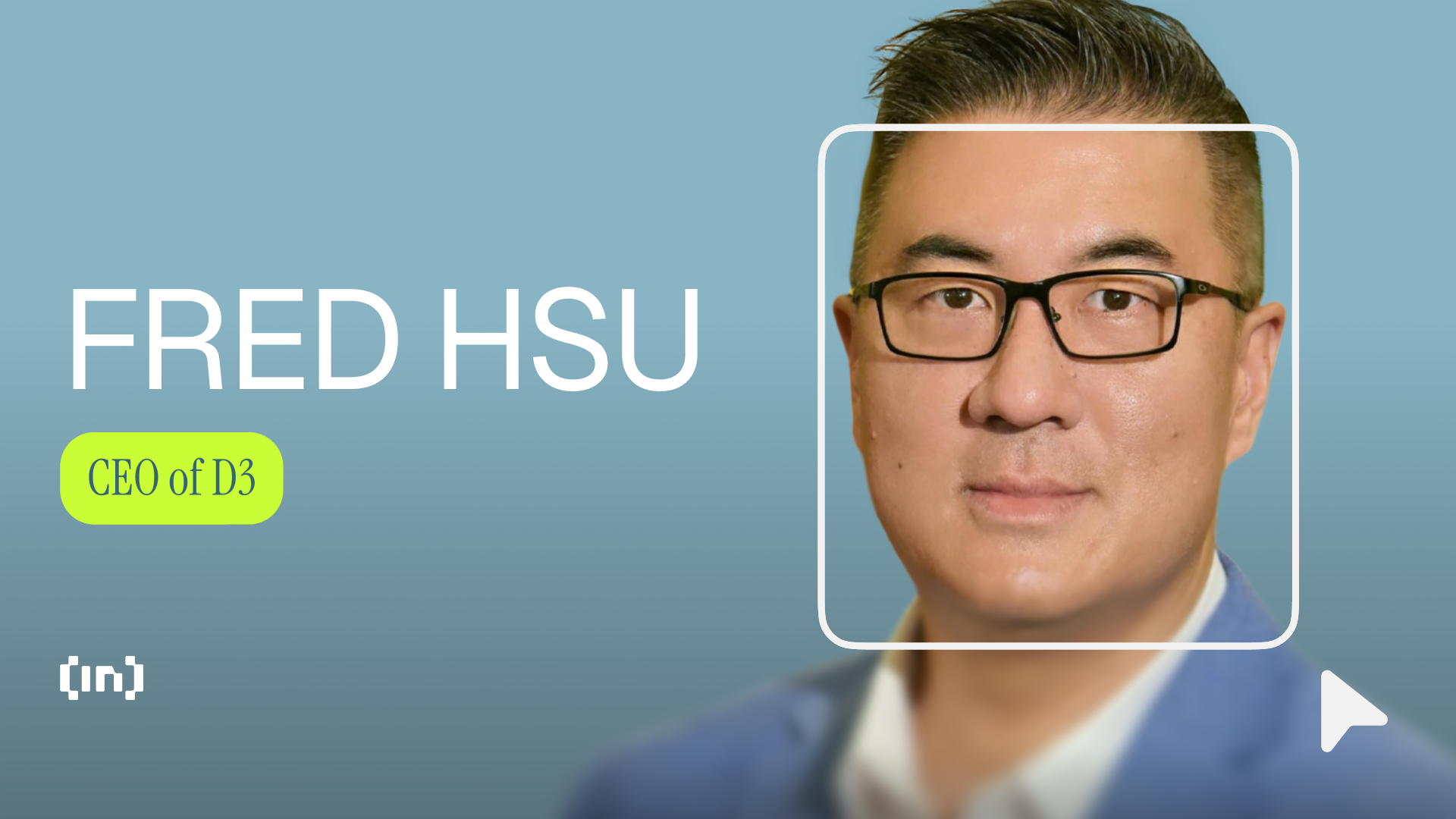
D3 Global recently launched its primary applications, Mizu and Interstellar, aimed at transforming traditional web domains such as .com, .ai, and .xyz into liquid, tradable assets on the blockchain. I had the chance to chat with Fred Hsu, CEO of D3 Global, to dive deeper into their vision and the innovative technology behind DomainFi.
Revolutionizing Domain Ownership
The potential for this new asset class is immense. The global market for domain names is currently valued at around $10 billion. However, D3 believes they can unlock much greater value by addressing some persistent challenges in the industry.
Hsu describes their mission as revolutionary: “We’re making entire illiquid domain portfolios dynamic and tradable assets through Doma.”
Imagine a high-value domain like chat.com, which sold for over $15 million. With DomainFi, everyday investors can own a portion of such valuable domains for as little as $500, opening the door to a wealth of financial opportunities.
Domains: The Original Digital Assets
Hsu considers domains to be the internet’s original real estate. “They’re the OG NFTs,” he declares, emphasizing their unique position in the digital scene. An ultra-premium domain can be likened to a high-street storefront in a bustling city—valuable and sought after. Yet, the traditional domain market has been hampered by slow transactions, high costs, and a lack of transparency.
The Doma Protocol aims to address these issues head-on, not only by tokenizing domains but also by transforming the entire domain industry.
Bridging the Internet with DNS Compliance
While some may see parallels between Doma and other web3 naming services like Ethereum Name Service (ENS) or Unstoppable Domains, Hsu points out a critical difference: “ENS and Unstoppable Domains create new names that work only in specific parts of web3. Doma tokenizes existing domains.” (CoinDesk)
This is a major differentiator. Rather than creating new web addresses, Doma integrates with established domains that have proven functionality and brand value. Hsu notes, “Doma’s DNS-compliant architecture ensures that any tokenized domain retains its full internet functionality.” You might also enjoy our guide on Japan’s Major Crypto Banking Changes and AI Trading Innovati.
How It Works
The Doma Protocol provides a easy bridge between traditional DNS infrastructure and blockchain technology. This means that tokenized domains continue to function as normal websites and can still handle email and other services. The result? The best of both worlds—blockchain ownership combined with operational domains.
Thanks to its cross-chain functionality, Doma can interact with major web3 platforms, including Ethereum, Solana, Base, and Avalanche, laying the groundwork for a global economy on-chain.
Meet Mizu and Interstellar
D3’s aspirations come to life with their two flagship platforms, Mizu and Interstellar, both of which serve distinct yet complementary roles. Hsu elaborates, “Interstellar is a marketplace where you can ‘own the Internet’ by acquiring valuable domains that can be tokenized through Doma.”
Interstellar: The Marketplace for Digital Properties
Consider Interstellar your go-to hub for buying and selling digital properties. It’s been designed specifically for the on-chain era, catering to domain investors in a modern fashion.
Mizu: The Financial Innovation Hub

Mizu, on the other hand, specializes in financial innovations surrounding domains. It’s touted as the first DeFi launchpad created for domains, allowing users to transform them into dynamic financial instruments.
This is where fractional ownership comes into play. High-value domains can be divided into smaller, accessible tokens (ERC-20 tokens), enabling a wide range of investors to share ownership and trade these assets with newfound liquidity. This approach tackles the longstanding issue of illiquidity that has plagued the traditional domain market.
Building the Future: The Path to Mainnet
As D3 gears up for its mainnet launch, the focus is on creating a strong ecosystem and establishing key partnerships. Hsu emphasizes that the entire transition process operates on-chain, ensuring that domain NFTs can be split into fungible tokens while adhering to DNS standards. For more tips, check out Tether’s Path to Becoming a Top Foreign Holder of U.S. Treas.
Partnerships are must-have for this endeavor. D3 has formed a strategic alliance with NicNames, a domain registrar that adds significant infrastructure to its ecosystem. “They recognize the technical and business opportunities in web3,” says Hsu. Also, a partnership with Europe’s largest registrar, InteNetX/IONOS Group, has been announced, with more collaborations to follow. (Bitcoin.org)
Doma Prime: Exclusive Services for High-Value Investors
For high-net-worth domain investors, D3 has introduced the Doma Prime program, described as a “white-glove” service that provides exclusive access and customized liquidity terms. “It’s like private banking for domain investors,” Hsu explains.
This initiative aims to blend D3’s expertise in the domain industry with its tokenization and DeFi capabilities, creating a tailored platform for institutional and high-value investors.
A New Era in Digital Asset Ownership
D3 Global is on a mission to bridge the divide between web2 and web3 by bringing domains onto the blockchain. By tackling the age-old problems of illiquidity and high costs, the Doma Protocol, alongside its applications Mizu and Interstellar, is set to create a groundbreaking new economy in digital asset ownership.
FAQs
what’s the Doma Protocol?
The Doma Protocol is a blockchain-based system developed by D3 Global that aims to transform traditional web domains into liquid, tradable assets.
How does fractional ownership work?
Fractional ownership allows high-value domains to be divided into smaller tokens, enabling multiple investors to own portions of a domain, increasing accessibility and liquidity.
Why are domains considered digital assets?
Domains are seen as digital assets due to their scarcity and value, functioning like real estate in the digital field.
What are Mizu and Interstellar?
Mizu and Interstellar are D3 Global’s flagship applications; Mizu focuses on financial innovations while Interstellar serves as a marketplace for trading domains.
How does Doma ensure DNS compliance?
Doma’s architecture ensures that tokenized domains maintain their full functionality, allowing them to resolve to websites and handle email without issues.
Worth Checking Out: AI agents turned Super Bowl viewers into one high-IQ team — now imagine this in the enterprise, Can Bitcoin handle global economic uncertainty being worse than ever as it now doubles 2008 recession levels?


